How to Invest in Luxury Goods for Long-Term Value
how to invest in luxury goods

How to Invest in Luxury Goods for Long-Term Value

Transform your passion for high-end items into a strategic investment portfolio with expert guidance.

Start Your Luxury Investment Journey

Key Takeaways

  • ✓ The global luxury market is projected to reach €1.5 trillion by 2030, offering significant investment potential.
  • ✓ Certain luxury categories, like rare watches and Hermès bags, have historically outperformed traditional assets.
  • ✓ Authenticity and provenance are paramount in determining the value and investment potential of luxury goods.
  • ✓ Diversification within luxury assets can mitigate risk and enhance portfolio stability.

How It Works

1
Educate Yourself on Niche Markets

Research specific luxury categories that interest you, understanding their history, key brands, and market dynamics. Knowledge is your most powerful tool in identifying true investment opportunities.

2
Source Authenticated Assets

Always buy from reputable dealers, auction houses, or trusted platforms that provide robust authentication. The legitimacy of your luxury item directly impacts its future value and salability.

3
Maintain and Preserve Your Investment

Proper storage, care, and maintenance are crucial to preserve the condition and value of your luxury goods. Consider professional appraisal and insurance for high-value items.

4
Monitor Market Trends and Exit Strategies

Stay informed about market shifts, demand, and potential selling platforms. Having a clear exit strategy for when and how you plan to liquidate your assets is essential for realizing returns.

Understanding the Appeal of Luxury Asset Investment
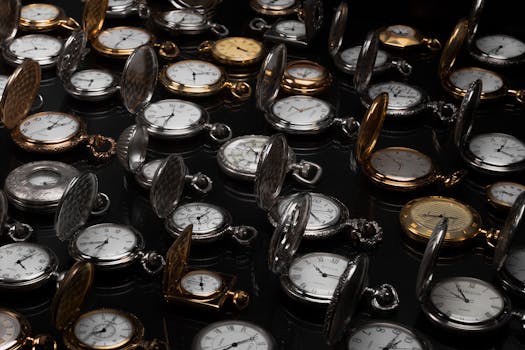
An exquisite display of various vintage pocket watches with intricate designs and metallic finishes. Photo: T. Royce Xan / Pexels
Investing in luxury goods has evolved from a niche hobby for the ultra-wealthy to a recognized alternative asset class, attracting discerning investors seeking diversification and potentially superior returns. Unlike traditional financial instruments, luxury items often possess intrinsic value, craftsmanship, and a cultural significance that can appreciate over time, especially when supply is limited and demand remains high. The allure isn't just about owning something beautiful; it's about owning a piece of history, artistry, or engineering excellence that can hold its value, and even increase it, irrespective of broader economic fluctuations. This resilience is partly due to the exclusivity and scarcity inherent in many luxury categories, which are often produced in limited quantities or by master artisans. For instance, a vintage Patek Philippe watch isn't merely a timepiece; it's a testament to horological mastery and a symbol of enduring quality. Similarly, a rare Hermès Birkin bag represents not just a fashion accessory but a meticulously crafted object with a waiting list that can span years, cementing its status as an appreciating asset. The market for luxury goods is also driven by brand heritage and storytelling. Brands with a rich history, consistent quality, and strong brand equity tend to command higher prices and demonstrate greater stability in value. Think of iconic brands like Rolex, Chanel, or Louis Vuitton – their products often retain, if not increase, their retail value due to their established reputation and desirability. Furthermore, the emotional connection investors often have with these items can contribute to their perceived value and willingness to hold onto them, rather than panic-selling during market downturns. This 'passion investment' aspect distinguishes luxury goods from purely financial assets, adding another layer of complexity and potential reward. However, it's crucial to differentiate between luxury consumption and luxury investment. Not all luxury items are investments; many depreciate rapidly. The key lies in understanding which specific items within which categories have a track record of appreciation and why. This requires diligent research into market trends, brand performance, and the unique characteristics that make an item collectible and valuable. The rise of online marketplaces and dedicated luxury investment platforms has also democratized access to this asset class, making it easier for a broader range of investors to explore how to invest in luxury goods. Understanding the luxury market dynamics is the first step toward making informed investment decisions.

Top Categories for Luxury Goods Investment
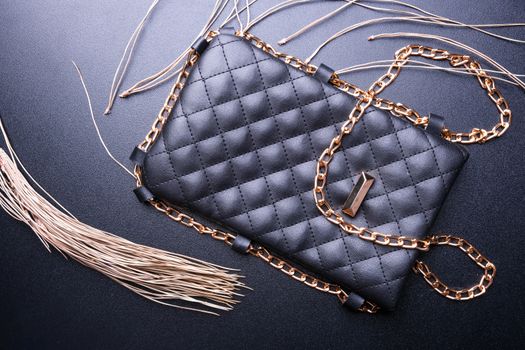
Stylish black purse with a quilted pattern and golden chain strap, showcasing elegance. Photo: Enes Beydilli / Pexels
When considering how to invest in luxury goods, not all categories offer the same potential for appreciation. Strategic investors focus on segments with proven track records of value retention and growth, often characterized by scarcity, craftsmanship, brand heritage, and enduring demand. **Fine Watches:** Vintage and limited-edition watches from brands like Rolex, Patek Philippe, Audemars Piguet, and Vacheron Constantin consistently rank among the top-performing luxury investments. Factors driving their value include intricate complications, historical significance, original condition, and rarity. The market for these timepieces is robust, with dedicated auction houses and secondary markets facilitating sales. A watch's provenance – its ownership history and documentation – can significantly enhance its value. **Designer Handbags:** Certain iconic handbags, particularly from Hermès (Birkin, Kelly) and Chanel (Classic Flap), have shown remarkable appreciation, often outperforming the stock market. Their value is driven by extreme scarcity, high demand, meticulous craftsmanship, and their status as cultural symbols. Condition, material, color, and size play crucial roles in their resale value. For instance, a rare Hermès Birkin in exotic leather can command multiples of its original retail price. **Fine Art:** While requiring significant capital and expert knowledge, investments in fine art from established masters or emerging blue-chip artists can yield substantial returns. The art market is complex, influenced by artist reputation, provenance, condition, and market trends. Engaging with reputable galleries, advisors, and auction houses is essential for navigating this segment. **Rare Wines and Spirits:** Investment-grade wines, primarily from Bordeaux, Burgundy, and Champagne, along with rare whiskies, have demonstrated strong appreciation. Factors include vintage quality, producer reputation, limited production, and proper storage conditions. These assets require specialized storage and understanding of their aging potential. **Classic Cars:** High-value classic cars, especially vintage models from Ferrari, Porsche, Mercedes-Benz, and Aston Martin, can be excellent investments. Their value is tied to rarity, historical significance, racing pedigree, originality, and meticulous restoration. This category often requires significant maintenance and storage costs. **Jewelry:** While mass-produced jewelry tends to depreciate, rare and historically significant pieces from iconic houses like Cartier, Van Cleef & Arpels, or Tiffany & Co., especially those featuring large, high-quality gemstones or unique designs, can appreciate. The value is highly dependent on the quality of stones, craftsmanship, and provenance. Each category presents unique opportunities and challenges. Thorough research into specific brands, models, and market conditions within these categories is paramount before making any investment. Understanding the nuances of authenticity, provenance, and condition for each type of luxury good is critical to making sound investment decisions.

Strategies for Smart Luxury Investment and Risk Mitigation
Sophisticated black leather belt with a sleek gold buckle on a reflective surface. Photo: BELTLEY COM / Pexels
Successfully navigating how to invest in luxury goods requires more than just an appreciation for fine items; it demands a strategic approach to acquisition, maintenance, and eventual divestment. One of the foundational strategies is **due diligence and education**. Before making any purchase, thoroughly research the specific item, its brand, its history, and its current market value. Understand what makes a particular model or piece desirable and rare. This includes studying past auction results, consulting expert appraisers, and reading industry reports. Knowledge is your strongest defense against overpaying or acquiring an item with limited appreciation potential. **Authenticity and Provenance** are non-negotiable. The value of any luxury item is inextricably linked to its legitimacy. Always buy from highly reputable sources – authorized dealers, established auction houses, or respected vintage retailers who can provide verifiable documentation of authenticity and ownership history (provenance). A strong provenance can significantly enhance an item's value, while questionable origins can render it worthless as an investment. Insist on original boxes, papers, certificates, and receipts whenever possible. **Condition is King.** For most luxury goods, the better the condition, the higher its value. Minor scratches, dents, or signs of wear can drastically reduce resale value. This necessitates meticulous care and proper storage. For watches, regular servicing by authorized specialists is crucial. For handbags, protection from elements and careful handling are key. For art, environmental controls (temperature, humidity) are vital. Factor in the costs of maintenance and potential restoration when assessing an investment. **Diversification** within your luxury portfolio is another crucial risk mitigation strategy. Just as with traditional investments, putting all your capital into a single type of luxury good can expose you to unnecessary risk. Instead, consider investing across different categories – perhaps a vintage watch, a rare handbag, and a bottle of investment-grade wine. This spreads your risk and allows you to capitalize on different market cycles within the luxury sector. Finally, **understand the market cycles and be prepared for a long-term hold**. Luxury items are not typically 'get rich quick' schemes. Their value appreciation often unfolds over several years, sometimes decades. Market trends can shift, and demand for certain items can fluctuate. Having a long-term perspective and the patience to hold onto your assets until the market is favorable for selling is essential. Also, be aware of the costs associated with ownership, such as insurance, storage, and maintenance, which can eat into your returns. Regularly monitor the market for your specific items and be ready to adapt your strategy if trends change. Consulting luxury investment experts can provide invaluable insights.

Common Pitfalls and How to Avoid Them in Luxury Investing
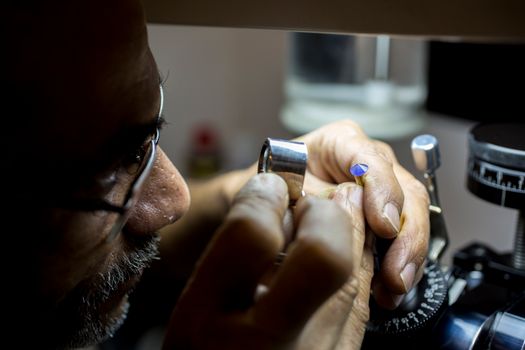
Close-up of a jeweler inspecting a gemstone in Dubai, highlighting precision and craftsmanship. Photo: Nestor Cortez / Pexels
While the prospect of investing in luxury goods can be exciting, several common pitfalls can turn a promising venture into a costly mistake. Being aware of these traps is the first step toward avoiding them and ensuring a more successful investment journey. **1. Falling for Fakes and Replicas:** This is arguably the biggest risk. The counterfeit market for luxury goods is vast and sophisticated. Unsuspecting buyers can easily be duped, acquiring items with zero investment value. To avoid this, always buy from established and reputable sources. Verify authenticity through official channels, expert appraisals, or trusted online platforms with robust authentication processes. Never prioritize a 'deal' over guaranteed authenticity. **2. Neglecting Provenance and Documentation:** An item's history and accompanying paperwork significantly impact its value. Missing original boxes, certificates of authenticity, service records, or purchase receipts can dramatically reduce an item's market appeal and makes it harder to prove its legitimacy. Always seek out items with complete documentation and maintain these records meticulously. **3. Ignoring Condition and Maintenance Costs:** A luxury item's value is directly tied to its condition. Scratches, dents, fading, or improper repairs can severely diminish resale value. Neglecting maintenance, such as watch servicing or handbag cleaning, can accelerate deterioration. Factor in the ongoing costs of proper care, storage, and insurance. These are not optional expenses but critical investments in preserving your asset's value. **4. Chasing Trends Instead of Enduring Value:** The luxury market has trends, just like fashion. Investing in an item solely because it's currently 'hot' can lead to rapid depreciation once the trend fades. Focus instead on iconic pieces, limited editions, or items from brands with a consistent history of value retention. These are typically characterized by timeless design, exceptional craftsmanship, and historical significance, rather than fleeting popularity. **5. Overpaying Due to Lack of Research:** Without thorough market research, it's easy to pay above market value. Understand comparable sales, auction results, and current demand. Utilize online marketplaces and appraisal services to get an accurate sense of an item's worth before committing to a purchase. Patience and negotiation skills are valuable assets here. **6. Underestimating Liquidity Challenges:** While some luxury items are highly liquid, others can take time to sell, especially at a desired price. Be realistic about the time it might take to liquidate your investment. Building relationships with dealers or auction houses can facilitate future sales, but don't expect instant returns. **7. Ignoring Storage and Insurance:** High-value luxury items require secure, climate-controlled storage and comprehensive insurance coverage. Theft, damage, or loss can wipe out your investment. These costs must be factored into your overall investment strategy and are non-negotiable for protecting your assets. By diligently addressing these potential pitfalls, investors can approach the luxury goods market with greater confidence and significantly enhance their chances of building a valuable and appreciating portfolio. **Key Takeaways for Avoiding Pitfalls:** * **Prioritize Authenticity:** Always verify the legitimacy of the item and seller. * **Demand Documentation:** Original papers and provenance are crucial for value. * **Maintain Pristine Condition:** Invest in proper care, storage, and maintenance. * **Focus on Classics:** Choose items with enduring value over fleeting trends. * **Research Thoroughly:** Understand market values to avoid overpaying. * **Plan for Liquidity:** Be aware that selling can take time. * **Insure and Secure:** Protect your valuable assets from loss or damage.

Comparison

FeatureFine WatchesDesigner HandbagsRare Wines/Spirits
Average Appreciation (5-10 yrs)5-15% annually (top brands)8-12% annually (top models)4-10% annually (investment grade)
LiquidityHigh (secondary market)Medium-HighMedium (specialized platforms)
Storage RequirementsSecure, climate-controlledClean, dry, dust-freeClimate-controlled cellar
Authentication ComplexityHigh (expert required)Medium-HighMedium (provenance, bottle condition)
Maintenance Cost✓ (servicing)✗ (cleaning, minor repair)
Entry Price PointModerate to Very HighHigh to Very HighModerate to High

What Readers Say

"This guide completely demystified how to invest in luxury goods for me. I used their advice to purchase a vintage Rolex and feel confident in its long-term potential. The section on authenticity was particularly helpful."

Sarah J. · New York, NY

"As a new investor, I appreciated the clear breakdown of investment categories. I'm now building a small collection of rare whiskies, following the tips on storage and provenance. Excellent resource!"

Michael D. · Los Angeles, CA

"The strategies for risk mitigation in this article saved me from making several common mistakes. I now always insist on full documentation for my Hermès bag purchases, which has already paid off in peace of mind."

Emily R. · Dallas, TX

"While comprehensive, I would have loved a bit more depth on the tax implications of luxury goods investing. However, the core advice on what to look for and how to protect your assets was spot-on and very practical."

David L. · Chicago, IL

"I've been a collector for years, but this article helped me shift my mindset from collecting to strategic investing. The comparison table was a brilliant addition, helping me diversify my portfolio more effectively."

Jessica M. · Miami, FL

Frequently Asked Questions

What types of luxury goods are best for investment?

The best luxury goods for investment typically include rare vintage watches (e.g., Rolex, Patek Philippe), iconic designer handbags (e.g., Hermès Birkin/Kelly, Chanel Classic Flap), fine art from established artists, and investment-grade wines and spirits. These categories often demonstrate scarcity, strong brand heritage, and a history of appreciation.

Is investing in luxury goods risky?

Like any investment, luxury goods carry risks, including market fluctuations, the prevalence of counterfeits, and liquidity challenges. However, by focusing on authenticity, provenance, condition, and diversifying your portfolio, you can mitigate many of these risks and increase your chances of a successful outcome.

How do I ensure the authenticity of a luxury item?

To ensure authenticity, always purchase from reputable sources like authorized dealers, established auction houses, or trusted vintage retailers. Look for complete documentation, including original certificates, receipts, and service records. Consider independent expert appraisal for high-value items.

How much does it cost to start investing in luxury goods?

The entry cost varies significantly by category. You could start with a few thousand dollars for certain limited-edition sneakers or entry-level investment watches. However, significant appreciation often comes with higher-value items like rare watches, iconic handbags, or fine art, which can range from tens of thousands to millions of dollars.

How does luxury goods investment compare to traditional investments?

Luxury goods offer diversification beyond traditional stocks and bonds, often acting as a hedge against inflation and market volatility. While they may not offer the same liquidity, certain categories have historically shown competitive or even superior returns. They also offer the unique benefit of tangible ownership and aesthetic pleasure.

Who should consider investing in luxury goods?

Individuals with a passion for high-end items, a discerning eye for quality, and a long-term investment horizon are ideal candidates. It's also suitable for those looking to diversify their portfolio beyond conventional assets and who have the capital to invest in significant, well-researched pieces.

What are the biggest mistakes to avoid when investing in luxury?

Key mistakes include buying counterfeits, neglecting proper documentation, failing to maintain items, chasing fleeting trends, overpaying due to lack of research, and underestimating storage/insurance costs. Diligence in these areas is crucial for success.

What are the future trends in luxury goods investment?

Future trends include continued growth in the secondary market, increased demand for sustainable and ethically sourced luxury, the rise of digital authentication technologies (like NFTs for provenance), and a growing interest in unique, personalized, and experiential luxury assets. The market is also seeing greater adoption of online platforms for sales and acquisitions.

Ready to transform your passion into profit? By understanding how to invest in luxury goods, you can build a resilient and valuable portfolio. Start your journey today by researching wisely, investing authentically, and preserving your treasures for future appreciation.

Topics: how to invest in luxury goodsluxury asset investmentcollectible luxury itemsalternative investments luxuryluxury market analysis
Leo List
Brampton weed
Adultwork EstrelaBet Vai de Bet R7 Bet Betão Galera Bet Rainbet Bet9ja Shop SportyBet BetKing Sisal Loto Foot Hollywoodbets YesPlay Odibets RushBet Jugabet BetWarrior BetCity MSport betPawa Fortebet