✓ The global counterfeit market is valued at over $1.7 trillion annually.
✓ Counterfeiters often replicate packaging and dust bags to deceive buyers.
✓ Even experienced buyers can be fooled by sophisticated fakes.
✓ Authenticity certificates can be forged; always verify the source.
How It Works
1
Examine the Overall Quality
Genuine luxury items boast impeccable craftsmanship, materials, and finishing. Look for flawless stitching, high-grade hardware, and premium textiles or leather.
2
Scrutinize Brand Markings
Logos, serial numbers, and heat stamps are crucial. Compare them meticulously to official brand images, paying attention to font, spacing, and placement.
3
Assess the Seller and Source
Reputation is key. Purchase from authorized retailers, reputable consignment shops, or trusted platforms with strong authentication policies and transparent histories.
4
Seek Expert Authentication
For high-value or uncertain items, professional authentication services offer peace of mind. They use specialized knowledge and tools to provide definitive verdicts.
The Art of Authenticity: Decoding Luxury Craftsmanship
Photo: Tarek Shahin / Pexels
The allure of luxury goods lies not just in their brand name, but in the unparalleled craftsmanship, superior materials, and meticulous attention to detail that define them. When learning how to spot fake luxury goods, this is your first and most critical line of defense. Counterfeiters, no matter how skilled, rarely achieve the same level of perfection as original manufacturers. They cut corners, use cheaper alternatives, and often overlook the subtle nuances that are hallmarks of genuine luxury.
Begin your inspection by focusing on the overall quality. A genuine luxury item, whether it's a handbag, watch, or piece of jewelry, will feel substantial, balanced, and exquisitely finished. Run your hands over the material – is it soft, supple, and consistent in texture? For leather goods, genuine leather has a distinct aroma, often described as rich or earthy, unlike the chemical smell of synthetic alternatives. Examine the stitching: it should be uniform, tight, and perfectly aligned, with no loose threads, skipped stitches, or uneven tension. Brands like Hermès are famous for their saddle stitching, a technique that is incredibly difficult to replicate perfectly.
Hardware is another significant giveaway. Authentic luxury hardware, whether it's zippers, buckles, clasps, or studs, is typically made from high-quality metals that feel heavy and durable. It should operate smoothly, without snagging or stiffness. Look for consistent plating, precise engraving (if applicable), and a finish that doesn't chip, tarnish, or show signs of cheap manufacturing. Many luxury brands use proprietary hardware designs or specific finishes that are hard for counterfeiters to mimic. For example, the zippers on a genuine Louis Vuitton bag will often be engraved with the brand's logo or a specific manufacturer's mark, and they will glide effortlessly.
Furthermore, consider the interior of the item. Luxury doesn't stop at the exterior; the lining, internal pockets, and hidden compartments should all exhibit the same high standards. Linings should be made from quality materials, sewn neatly, and fit perfectly without bulges or wrinkles. Any internal tags or labels should be securely attached, with crisp, clear printing. Understanding these fundamental aspects of genuine craftsmanship is paramount in your quest to identify fakes. It's about developing an eye for perfection and recognizing when something just doesn't feel right. This foundational knowledge is crucial before diving into brand-specific details, equipping you with the ability to discern quality from its cheap imitation. Investing in luxury means investing in quality, and knowing what that quality looks and feels like is your best protection against counterfeits.
Unmasking Fakes: The Devil in the Details of Brand Markings
Photo: Yvon Gallant / Pexels
Beyond the general quality, the true battleground for how to spot fake luxury goods often lies in the intricate details of brand markings. Counterfeiters frequently stumble when trying to perfectly replicate logos, serial numbers, date codes, heat stamps, and authenticity cards. These seemingly minor elements are, in fact, powerful indicators of authenticity.
Start with the logo. Every luxury brand has a specific font, spacing, and placement for its logo. Compare the logo on the item in question with official images from the brand's website or reputable sources. Pay close attention to the thickness of the lines, the serif details, the kerning (spacing between letters), and the overall proportion. Even a slight deviation can be a red flag. For instance, Chanel's interlocking 'C's have a very specific overlap; any variation suggests a fake. Louis Vuitton's monogram pattern is also meticulously designed, with specific placements of the LV logo, fleurs, and four-leaf clovers that repeat in a precise order. Fakes often have misaligned or cut-off patterns.
Serial numbers and date codes are vital. Most luxury brands embed unique identifiers into their products. These codes are not just random numbers; they often contain information about the manufacturing location, date, or specific batch. Research the brand's specific coding system. For example, Rolex watches have serial numbers engraved between the lugs or on the rehaut (inner bezel), and these numbers can be cross-referenced with production dates. Louis Vuitton uses a date code system that indicates the factory and week/year of production. While counterfeiters can print fake codes, they often get the format wrong or use codes that don't correspond to the item's style or age.
Heat stamps and engravings require close scrutiny. These markings, often found on leather or metal, should be crisp, clear, and evenly pressed or etched. There should be no blurring, smudging, or uneven depth. The font used for heat stamps should match the brand's official typography. For example, a Hermès heat stamp will have a specific font and placement that is difficult for fakers to perfectly replicate.
Authenticity cards and dust bags, while seemingly reassuring, can also be faked. Many counterfeiters go to great lengths to replicate these accessories. Always examine the quality of the card stock, the printing clarity, and any holographic elements. A genuine authenticity card will feel substantial and have high-quality printing, while a fake might feel flimsy or have pixelated text. Dust bags should be made of quality fabric, with well-executed logos. Never rely solely on these accessories; they should always be considered alongside the item itself. The more you familiarize yourself with the specific details of a brand's markings, the better equipped you'll be to spot a convincing counterfeit. It's about knowing the brand's DNA inside and out.
The Seller's Story: Vetting Sources and Protecting Your Purchase
Photo: Kampus Production / Pexels
One of the most overlooked yet crucial aspects of learning how to spot fake luxury goods is thoroughly vetting the seller and the source of the item. Even if an item appears authentic at first glance, a dubious seller can quickly turn a potential treasure into a costly mistake. The adage 'if it's too good to be true, it probably is' holds significant weight in the luxury market.
Your safest bet is always to purchase directly from an authorized boutique or the brand's official website. These channels guarantee authenticity and often come with excellent customer service and after-sales support. However, the secondary market for luxury goods is vast and appealing, offering discontinued styles, vintage pieces, and often more accessible price points. When venturing into this territory, caution is paramount.
For online purchases, especially from platforms like eBay, Poshmark, or Vestiaire Collective, research the seller's reputation extensively. Look at their feedback history, paying attention to comments specifically related to authenticity. A seller with a long history of positive reviews, particularly those mentioning genuine items, is more trustworthy. Be wary of new sellers with no history or those with numerous negative reviews regarding fakes. Also, examine the seller's other listings – do they specialize in luxury goods, or do they sell a wide, disparate array of items that might suggest a less specialized operation?
Always request detailed, high-resolution photos of the item from multiple angles, including close-ups of logos, serial numbers, hardware, and stitching. If a seller is hesitant to provide these, it's a major red flag. Compare these photos meticulously with official brand images. Some sellers even offer videos, which can provide an even better sense of the item's condition and authenticity.
Furthermore, understand the platform's authentication policies. Reputable consignment sites often have their own in-house authentication teams that inspect items before they are shipped to the buyer. While these services aren't infallible, they add an extra layer of protection. Familiarize yourself with their return policies and buyer protection programs. Knowing you can return an item if it's proven fake provides crucial peace of mind.
Offline, when buying from consignment stores or vintage boutiques, choose establishments with a strong reputation and knowledgeable staff. Ask about their authentication process and guarantees. A reputable store will be transparent about how they verify their inventory. Be especially cautious at flea markets, street vendors, or pop-up shops with no clear business address or return policy. The source of your luxury item is as important as the item itself in determining its authenticity. By diligently vetting sellers and understanding purchase protections, you significantly reduce your risk of falling victim to counterfeits. Protecting your luxury investment starts long before the item is in your hands.
Common Mistakes and Expert Tips for Authenticating Luxury
Photo: Alexander Popadin / Pexels
Navigating the world of luxury authentication can be tricky, and even seasoned buyers can make mistakes. Understanding these common pitfalls and arming yourself with expert tips will significantly boost your ability to spot fake luxury goods.
**Common Mistakes to Avoid:**
* **Relying Solely on Price:** A slightly lower price doesn't automatically mean it's fake, but an unbelievably low price for a highly sought-after item is almost always a red flag. Counterfeiters often price their goods just low enough to seem like a great deal, but not so low as to be immediately suspicious.
* **Trusting Authenticity Cards Blindly:** As mentioned, authenticity cards can be faked. Never let a card be the sole determinant of an item's genuineness. Always examine the item itself.
* **Ignoring Your Gut Feeling:** If something feels off – the material, the smell, the way it closes – don't dismiss it. Your intuition, often based on subconscious observations, can be a powerful tool.
* **Not Researching the Specific Item:** Each luxury item, even within the same brand, can have unique authentication points. Don't assume general knowledge is enough. Research the specific model, year of production, and any known variations.
* **Being Pressured by the Seller:** A legitimate seller will give you time to inspect an item and ask questions. If a seller is rushing you or pressuring you to buy quickly, it's a sign to be cautious.
**Expert Tips for Enhanced Authentication:**
* **Use High-Quality Magnification:** A jeweler's loupe or a strong magnifying glass can reveal crucial details like the precision of engravings, the consistency of stitching, or the quality of micro-printing on authenticity cards that are invisible to the naked eye.
* **Consult Brand-Specific Forums and Guides:** Dedicated online communities and authentication guides for specific luxury brands are invaluable resources. Members often share detailed comparison photos and insights into common counterfeit tells for particular models.
* **Feel the Weight and Balance:** Genuine luxury items often have a specific weight and balance due to the quality of materials and construction. Fakes can feel lighter, flimsier, or unevenly weighted.
* **Check for Consistency Across All Elements:** A genuine item will have consistent quality across all its components – the exterior, interior, hardware, and accessories. A fake might have one good element (e.g., a decent exterior) but fail on others (e.g., cheap lining or hardware).
* **Seek Professional Authentication for High-Value Items:** For significant purchases, investing in a third-party authentication service is highly recommended. Companies like Entrupy, Real Authentication, or Authenticate First use advanced technology and expert knowledge to provide definitive authentication, often with financial guarantees. This is especially crucial for items purchased from individuals or less regulated platforms.
* **Document Everything:** If you suspect a fake, document all communications with the seller, take detailed photos, and keep all receipts. This evidence will be vital if you need to dispute the purchase or seek a refund.
By combining meticulous observation, thorough research, and a healthy dose of skepticism, you can significantly improve your ability to identify and avoid counterfeit luxury goods. Protecting your investment and upholding the integrity of genuine craftsmanship is a rewarding endeavor.
Comparison
Feature
Genuine Luxury Item
High-Quality Counterfeit
Low-Quality Counterfeit
Craftsmanship
Flawless, precise, consistent stitching and finishing
Near-perfect, minor inconsistencies upon close inspection
Obvious flaws, loose threads, uneven stitches
Materials
Premium, specific aroma, supple feel, durable
Good quality, but may lack specific feel/smell of genuine
"This guide completely transformed how I approach buying pre-owned luxury. I used the tips on examining stitching and hardware to confidently identify a fake Chanel bag online, saving me thousands of dollars. Absolutely indispensable!"
Sarah J. · New York, NY
★★★★★
"As a watch collector, the section on serial numbers and movement details was incredibly helpful. I now have a systematic approach to verifying authenticity that I didn't have before. Highly recommend for anyone serious about luxury."
Mark D. · Los Angeles, CA
★★★★★
"I was about to buy a 'great deal' on a Louis Vuitton from a private seller. After reading this, I requested more photos and realized the date code was completely wrong for the style. This article literally prevented me from making a huge mistake!"
Emily R. · Chicago, IL
★★★★★
"While some of the information felt a bit basic for experienced buyers, the detailed breakdown of brand-specific tells and the common mistakes section were very insightful. It's a solid resource for anyone wanting to sharpen their authentication skills."
David L. · Houston, TX
★★★★★
"I'm new to luxury shopping, and this guide was a lifesaver. It broke down complex concepts into easy-to-understand steps. I feel much more confident now when browsing consignment shops and know exactly what to look for."
Jessica M. · Miami, FL
Frequently Asked Questions
What is the single most important factor when trying to spot fake luxury goods?
The single most important factor is overall craftsmanship and material quality. Genuine luxury items exhibit an unparalleled level of perfection in every detail, from stitching to the feel of the material. Fakes, even high-quality ones, almost always have subtle imperfections that betray their true nature when examined closely.
Are all items sold on reputable consignment sites guaranteed authentic?
While reputable consignment sites like The RealReal or Vestiaire Collective employ expert authenticators, no system is 100% foolproof. There have been rare instances of fakes slipping through. However, these platforms typically offer strong buyer protection and return policies if an item is later proven to be counterfeit, making them a much safer option than private sellers.
How can I check a serial number or date code for authenticity?
To check a serial number or date code, you first need to understand the specific brand's coding system. Many luxury brands have unique formats that indicate the factory, production year, or other details. Research online forums, brand-specific authentication guides, or consult with professional authenticators who have access to brand databases to verify the code's legitimacy.
Is it worth paying for professional authentication services?
Yes, for high-value luxury items or if you have any doubts about an item's authenticity, paying for a professional authentication service is highly recommended. These services employ experts with specialized knowledge and tools, often providing a certificate of authenticity and sometimes even financial guarantees, offering invaluable peace of mind and protecting your investment.
How do luxury brands themselves combat counterfeiting?
Luxury brands combat counterfeiting through a multi-faceted approach. This includes legal action against counterfeiters, implementing advanced anti-counterfeiting technologies (like microchips or holograms) in their products, educating consumers, and collaborating with law enforcement and customs agencies to seize fake goods and disrupt supply chains. They also maintain strict control over their distribution channels.
Who should be most concerned about spotting fake luxury goods?
Anyone purchasing luxury goods outside of an authorized boutique should be concerned. This includes buyers on the secondary market (online or in consignment stores), gift recipients, and even those considering purchases from seemingly legitimate but unofficial retailers. Protecting your investment and ensuring you receive genuine quality is crucial for all luxury consumers.
What are the risks of unknowingly buying a fake luxury item?
The risks include financial loss (paying luxury prices for a worthless item), supporting illegal criminal enterprises (counterfeiting often funds organized crime), potential health risks (fake cosmetics or jewelry can contain harmful substances), and the emotional disappointment of being deceived. It also devalues the genuine luxury market.
Will AI and new technologies make it easier to spot fakes in the future?
Yes, AI and new technologies are already playing a significant role and are expected to make authentication even more sophisticated. Companies are developing AI-powered microscopes that analyze material composition and micro-details, blockchain for tracking product provenance, and advanced image recognition software to detect inconsistencies. These tools will significantly enhance the ability to spot fakes, though counterfeiters will likely continue to evolve their methods as well.
Empower yourself with the knowledge to distinguish genuine luxury from clever imitations. By mastering how to spot fake luxury goods, you not only protect your investments but also uphold the integrity of true craftsmanship. Start applying these expert tips today and shop with confidence.

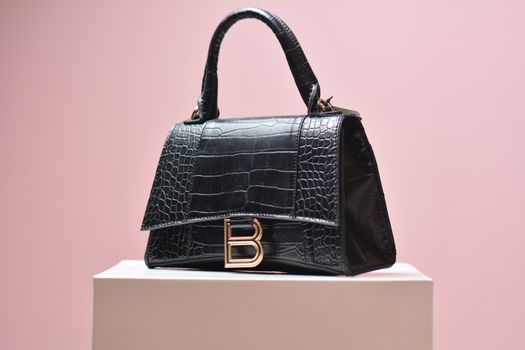 Photo: Tarek Shahin / Pexels
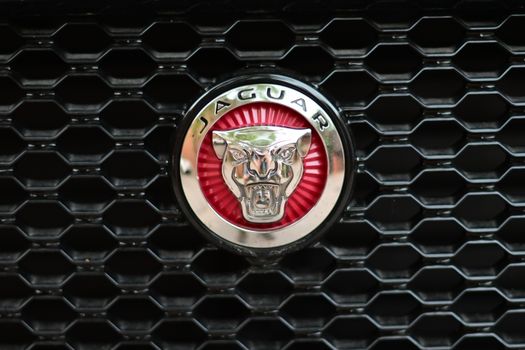 Photo: Yvon Gallant / Pexels
 Photo: Kampus Production / Pexels
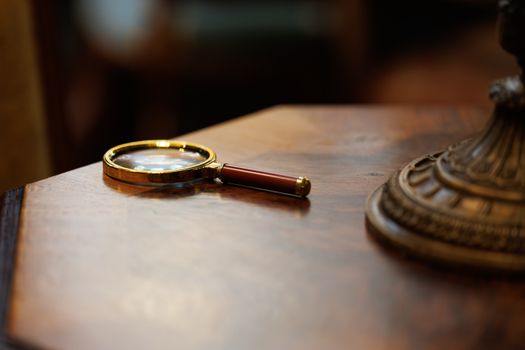 Photo: Alexander Popadin / Pexels