
Mastering the Art: How to Spot Fake Luxury Items
Protect your investments and ensure genuine quality with our comprehensive guide to identifying counterfeit luxury goods.
Start Authenticating NowKey Takeaways
- ✓ Counterfeit luxury goods are a multi-billion dollar industry, often funding illicit activities.
- ✓ The quality of fakes has dramatically improved, making detection more challenging for the untrained eye.
- ✓ Authentication requires a keen understanding of brand-specific details, craftsmanship, and materials.
- ✓ Purchasing from authorized retailers or reputable resellers is the safest way to avoid fakes.
How It Works
Before buying, familiarize yourself with the specific item's authentic characteristics, including logos, serial numbers, stitching, and materials. Official brand websites are excellent resources.
Examine every detail: stitching, hardware, materials, odors, weight, and symmetry. Fakes often cut corners in these areas, revealing inconsistencies.
Authentic luxury items typically come with high-quality packaging, dust bags, authenticity cards, and receipts. Ensure these also pass scrutiny for quality and accuracy.
For high-value items or if unsure, consider using professional third-party authentication services. Their specialized knowledge can provide peace of mind and validate your purchase.
The Allure of Luxury and the Threat of Counterfeits
 Photo: Kampus Production / Pexels
Dissecting the Details: Unmasking Counterfeit Craftsmanship
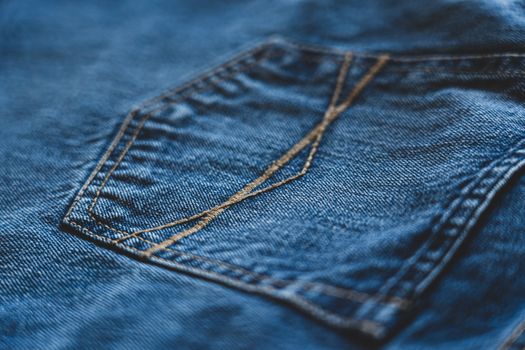 Photo: Castorly Stock / Pexels
The Paper Trail: Authenticity Cards, Packaging, and Serial Numbers
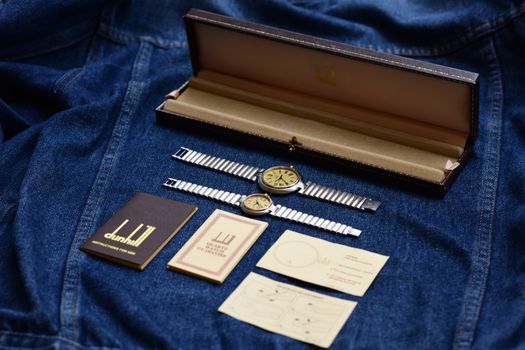 Photo: Sóc Năng Động / Pexels
Red Flags and Smart Buying Strategies for Authenticity
Comparison
| Feature | Authentic Luxury Item | High-Quality Counterfeit | Low-Quality Counterfeit |
|---|---|---|---|
| Stitching | Perfectly even, consistent, no loose threads | Mostly even, minor inconsistencies upon close inspection | Uneven, loose threads, skipped stitches |
| Hardware | Heavy, substantial, precise engravings, smooth finish | Lighter, decent engravings, may chip over time | Lightweight, cheap feel, blurry or incorrect engravings |
| Materials | Premium leather/fabric, distinct smell, develops patina | Good imitation, subtle differences in smell/texture | Plastic-y, chemical smell, peels or cracks easily |
| Logos/Brand Marks | Crisp, correctly spaced, accurate font, perfect alignment | Near-perfect, may have minor font or spacing discrepancies | Incorrect font, misspellings, poor alignment, blurry |
| Serial Numbers/Date Codes | Correct format, specific placement, consistent with brand | May have plausible but incorrect format, or duplicate numbers | Missing, incorrect format, or easily identifiable fake |
| Packaging | High-quality box/dustbag, consistent branding, accurate info | Decent quality, minor inconsistencies in print/material | Cheap materials, misspellings, generic or incorrect branding |
What Readers Say
"This guide was a game-changer! I was about to buy a 'vintage' Chanel bag, but after reading this, I knew exactly what red flags to look for. Saved me thousands from a very convincing fake."
Sarah J. · New York, NY"As a collector, I thought I knew it all, but this article on how to spot fake luxury items provided so many new, nuanced details. The section on hardware and serial numbers was particularly enlightening."
Mark D. · Los Angeles, CA"I used the checklist from this article to authenticate a pre-owned Rolex, and it passed every test! The detailed instructions on inspecting the movement and engravings gave me total confidence in my purchase."
Emily R. · Miami, FL"Very comprehensive! While some brand-specific details require further research, this guide provides an excellent foundational understanding for identifying counterfeits across different luxury categories. A must-read for serious buyers."
David L. · Chicago, IL"I often buy luxury items as gifts, and this article helped me avoid a huge embarrassment with a fake gift for my sister. The advice on seller reputation was incredibly helpful in guiding my choice."
Jessica M. · Houston, TXFrequently Asked Questions
What is the single most reliable way to spot a fake luxury item?
While no single factor is foolproof, the most reliable approach is a comprehensive assessment of multiple details. This includes meticulous inspection of craftsmanship (stitching, materials, hardware), verification of serial numbers/date codes against brand standards, and scrutiny of accompanying documentation and packaging. A combination of several inconsistencies is the strongest indicator of a fake.
Are 'super fakes' truly impossible to distinguish from genuine items?
While 'super fakes' are incredibly sophisticated and can fool many, they are rarely perfect. Expert authenticators, with their extensive knowledge and specialized tools, can almost always find subtle discrepancies in materials, construction, or specific brand characteristics that distinguish them from genuine articles. For the average consumer, it's more challenging, highlighting the need for expert services.
How can I check a serial number for authenticity?
To check a serial number, first locate it on the item (placement varies by brand and product). Then, research the brand's specific serial number or date code conventions online via official sources or reputable authentication forums. Compare the format, font, and sequence to known authentic examples. Some brands may offer online verification tools, but these are less common for older items.
Is it worth paying for a professional authentication service?
Absolutely, especially for high-value luxury items or if you have any doubts about a purchase. Professional authentication services employ experts with deep brand-specific knowledge and access to databases of authentic items. The cost of authentication is a small investment compared to the potential loss from unknowingly purchasing a high-priced counterfeit.
How do online marketplaces handle counterfeit luxury goods?
Most reputable online marketplaces have policies against selling counterfeit goods and often employ measures like buyer protection programs, reporting mechanisms, and sometimes even their own authentication services for high-value items. However, the sheer volume of listings means fakes can still slip through, so buyer vigilance remains crucial. Always check the marketplace's specific policies.
Who should be most concerned about how to spot fake luxury items?
Anyone purchasing luxury items, especially from secondary markets (resale sites, vintage stores, private sellers), should be concerned. Collectors, investors in luxury goods, and individuals seeking to make a significant personal purchase are particularly vulnerable and stand to lose the most from acquiring fakes.
What are the legal risks of buying or selling fake luxury items?
While consumers who unknowingly purchase fakes generally face no legal repercussions, selling counterfeit items, even unknowingly, can lead to serious legal consequences, including fines and imprisonment, as it violates intellectual property laws. It's also illegal to knowingly import or export counterfeit goods.
Will AI and technology make it easier to spot fake luxury items in the future?
Yes, AI and advanced technologies are already being developed and implemented to aid in authentication. This includes AI-powered image recognition for identifying subtle discrepancies, blockchain for tracking product provenance, and microchip integration. These technologies are likely to become increasingly sophisticated, making it harder for counterfeiters to operate effectively in the future.
Empower yourself with knowledge and confidence. By understanding how to spot fake luxury items, you protect your investments, support ethical businesses, and ensure every luxury purchase brings genuine joy. Use this guide as your trusted companion in the sophisticated world of high-end goods.