Smart Ways to Invest in Luxury Goods

An exquisite display of various vintage pocket watches with intricate designs and metallic finishes.Photo: T. Royce Xan / Pexels

Smart Ways to Invest in Luxury Goods

Unlock the potential of luxury assets to diversify your portfolio and preserve wealth in an ever-changing market.

Explore Opportunities

Key Takeaways

  • ✓ Luxury goods market valued at over $300 billion globally.
  • ✓ Certain luxury items have historically outperformed traditional assets.
  • ✓ Authenticity and provenance are paramount for investment value.
  • ✓ Diversification beyond traditional stocks and bonds is key.

How It Works

1
Identify Investment-Grade Items

Research specific brands, models, and limited editions known for retaining or appreciating value. Focus on items with strong heritage and demand.

2
Verify Authenticity & Provenance

Ensure the item is genuine through official channels, reputable dealers, or expert appraisers. Document its history of ownership to establish provenance.

3
Maintain and Store Properly

Protect your investment by ensuring proper care, storage, and insurance. Pristine condition is crucial for maximizing resale value.

4
Monitor Market Trends

Stay informed about market demand, brand performance, and economic shifts affecting luxury valuations. Be prepared to hold for long-term appreciation.

Understanding the Appeal of Luxury Asset Investment
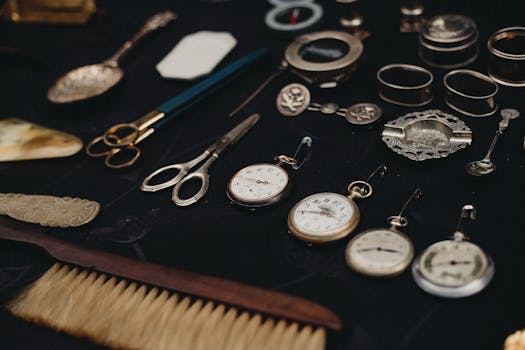
A selection of vintage pocket watches and antiques on display, embodying retro elegance.Photo: Freitas Junior / Pexels
In an era of economic volatility and fluctuating financial markets, investors are increasingly looking beyond traditional stocks and bonds to diversify their portfolios and preserve wealth. The allure of luxury goods as an investment class has grown significantly, offering a tangible alternative that can appreciate in value, provide aesthetic pleasure, and offer a hedge against inflation. But what exactly makes a luxury item an 'investment'? It's not just about the high price tag; it's about scarcity, brand heritage, craftsmanship, desirability, and the ability to retain or increase value over time. Unlike consumer goods that depreciate rapidly, certain luxury items — from rare watches and haute couture to fine art and vintage cars — have demonstrated remarkable resilience and even significant appreciation. This phenomenon is driven by a combination of factors, including limited supply, growing demand from emerging markets, and the perception of luxury as a status symbol and a store of value. For discerning investors, understanding these underlying drivers is crucial to making informed decisions. The market for luxury collectibles is complex, requiring a blend of passion, knowledge, and strategic foresight. It's about identifying items that transcend fleeting trends and possess enduring appeal. This section will delve into the core characteristics that define investment-grade luxury assets and why they warrant consideration in a well-rounded investment strategy.

Key Categories: Where to Invest in Luxury Goods

The world of luxury investments is vast and varied, encompassing several distinct categories, each with its own market dynamics, risks, and potential rewards. **Fine Watches:** Brands like Patek Philippe, Rolex, Audemars Piguet, and Richard Mille are often considered prime investment vehicles. Limited editions, specific models, and vintage pieces with unique provenance can command significant premiums. Their value is driven by intricate craftsmanship, brand prestige, and scarcity. **Designer Handbags:** Hermès Birkin and Kelly bags are legendary for their investment potential, often outperforming gold and stocks. Chanel flap bags and certain Louis Vuitton limited editions also hold strong resale value. Factors include exclusivity, brand power, and meticulous artistry. **Fine Art:** From Old Masters to contemporary icons, art can be a powerful investment. However, this sector requires deep expertise, substantial capital, and a long-term outlook. Provenance, artist reputation, condition, and market trends are critical. **Vintage Cars:** Classic automobiles, particularly rare sports cars from Ferrari, Porsche, and Aston Martin, have seen astronomical appreciation. This niche demands passion, significant maintenance costs, and specialized knowledge of models and restoration. **Jewelry & Gemstones:** High-quality, natural gemstones (diamonds, rubies, emeralds, sapphires) with reputable certifications and signed pieces from iconic houses like Cartier or Van Cleef & Arpels can be excellent investments, especially during economic uncertainty. **Wine & Spirits:** Investment-grade Bordeaux, Burgundy, and specific whiskies (e.g., Macallan) have a proven track record of appreciation. Factors include vintage, rarity, critic scores, and proper storage conditions. Each category presents unique challenges and opportunities, emphasizing the need for specialized knowledge and careful selection to maximize returns.

Strategies for Smart Luxury Investment

Successful investment in luxury goods isn't about impulsive purchases; it requires a strategic approach. First and foremost, **research is paramount**. Before committing to any luxury asset, immerse yourself in the specific market. Understand the brands, models, historical performance, and the factors that drive value. Follow auction results, industry news, and expert opinions. Secondly, **authenticity and provenance are non-negotiable**. The value of a luxury item is inextricably linked to its genuineness and its documented history of ownership. Always purchase from reputable dealers, authorized boutiques, or well-known auction houses. Demand certificates of authenticity, original packaging, and service records. Without verifiable provenance, the investment potential significantly diminishes. Third, **condition is king**. For items like watches, handbags, and vintage cars, pristine condition is crucial. Minor flaws can drastically reduce value. Invest in proper care, maintenance, and storage. Consider professional cleaning, servicing, and secure, climate-controlled storage solutions. Fourth, **think long-term and diversify**. Luxury investments are often illiquid and best suited for a long-term horizon, typically 5-10 years or more, to allow for appreciation. Avoid putting all your capital into one type of luxury asset. Just as with traditional portfolios, diversification across different luxury categories can mitigate risk. Finally, **consider the 'wearability' or 'usability' factor**. While the primary goal is investment, enjoying your luxury asset can add to its perceived value and personal satisfaction. However, excessive use can compromise condition, so striking a balance is key. By adhering to these strategies, you can significantly enhance your chances of making lucrative alternative investments in the luxury market.

Common Pitfalls and How to Avoid Them

While the prospect of investing in luxury goods can be enticing, several common pitfalls can derail even the most well-intentioned investor. Understanding and avoiding these traps is crucial for success. **1. Falling for Fakes and Replicas:** The counterfeit market is sophisticated. Without proper due diligence and expert verification, you risk investing in a worthless imitation. *Avoid: Always buy from authorized dealers, reputable auction houses, or trusted resellers with strong authenticity guarantees. If a deal seems too good to be true, it likely is.* **2. Neglecting Provenance and Documentation:** An item's history significantly impacts its value. Lack of original boxes, papers, service records, or clear ownership history can severely devalue an investment piece. *Avoid: Insist on complete documentation and a clear chain of ownership. This protects your investment and facilitates future resale.* **3. Poor Storage and Maintenance:** Luxury items are often delicate. Exposure to extreme temperatures, humidity, light, or improper handling can cause irreparable damage, diminishing value. *Avoid: Invest in appropriate storage solutions, insurance, and professional maintenance. Treat your luxury asset as you would any other valuable investment.* **4. Chasing Trends Instead of Enduring Value:** Fashion trends are fleeting. Investing in an item solely because it's currently popular might lead to significant depreciation once the trend fades. *Avoid: Focus on classic, iconic pieces from established brands known for timeless appeal and consistent demand. Look for limited editions or items with historical significance.* **5. Overpaying and Lack of Market Research:** Without thorough market research, you might pay an inflated price, eating into your potential returns. *Avoid: Compare prices across multiple platforms, consult price guides, and track historical sales data. Understand the fair market value before making a purchase.* **6. Underestimating Liquidity Challenges:** Luxury goods are often illiquid assets. Selling them quickly for fair market value can be challenging, especially during economic downturns. *Avoid: Treat luxury investments as long-term holdings. Don't rely on them for immediate cash needs and understand that finding the right buyer can take time.*

Comparison

FeatureFine WatchesDesigner HandbagsFine ArtVintage Cars
Initial InvestmentHighMedium-HighVery HighVery High
LiquidityModerateModerateLowVery Low
Maintenance NeedsModerateLowLowVery High
Appreciation PotentialHighHighVariableHigh
Storage RequirementsSecure Box/SafeDust bag/ClosetClimate-controlledGarage/Specialist storage
Expertise Needed

What Our Readers Say

5 ★★★★★

"This guide truly opened my eyes to the strategic side of luxury. I thought 'invest in luxury goods' was just for the ultra-rich, but the insights on specific brands and verification processes are invaluable. I'm now confidently building a small collection of vintage watches."

5 ★★★★★

"As someone looking to diversify, this article was a godsend. The practical advice on avoiding fakes and understanding provenance is critical. I feel much better equipped to make smart decisions when I invest in luxury goods."

5 ★★★★★

"Following the advice here, I acquired a limited-edition handbag that appreciated by 20% in two years. The emphasis on long-term holding and market research really paid off. Highly recommend for anyone looking to invest in luxury goods wisely."

4 ★★★★☆

"Very comprehensive, though I wish there were more specific examples of entry-level investment pieces. Still, the information on maintenance and avoiding pitfalls was exceptionally helpful. It's a great starting point for those keen to invest in luxury goods."

5 ★★★★★

"I've been collecting vintage cars for years, and this article perfectly encapsulates the strategic mindset needed. The comparison table is particularly useful for understanding the different risk profiles across luxury categories. Essential reading for anyone serious about luxury asset investing."

Frequently Asked Questions

Which luxury goods offer the best return on investment?
While past performance is not indicative of future results, certain categories like rare Patek Philippe watches, Hermès Birkin/Kelly bags, specific vintage sports cars (e.g., Ferrari, Porsche), and highly sought-after contemporary art have historically shown strong appreciation. The 'best' depends on market trends, rarity, condition, and expert verification. Always conduct thorough research.
Is investing in luxury goods a safe alternative to stocks?
Luxury goods can offer diversification and a hedge against inflation, but they carry different risks than traditional stocks. They are often less liquid, require specialized knowledge for valuation and authenticity, and their value can be influenced by niche market demand rather than broad economic indicators. It's an alternative, not necessarily a 'safer' one, and should be part of a diversified portfolio.
How do I verify the authenticity of a luxury item before investing?
Always purchase from authorized retailers, reputable auction houses, or highly trusted, established resellers. Demand original documentation, receipts, and certificates of authenticity. For high-value items, consider independent expert appraisal or authentication services. Be wary of deals that seem too good to be true, as counterfeits are prevalent.
What are the typical costs associated with maintaining luxury investments?
Maintenance costs vary significantly by item. Watches require regular servicing (every 3-7 years, costing hundreds to thousands). Vintage cars demand significant upkeep, restoration, and specialized storage. Even handbags can benefit from professional cleaning and conditioning. Factor in insurance costs, secure storage, and potential appraisal fees. These costs are essential to preserve the item's value.
How do luxury goods perform during economic downturns compared to other assets?
Luxury goods, especially rare and iconic pieces, can sometimes demonstrate resilience during economic downturns. They are often seen as 'safe-haven' assets by the wealthy, preserving value when traditional markets falter. However, liquidity can decrease, and less sought-after items may still see price drops. Their performance often depends on the specific item's rarity and enduring demand from a global affluent buyer base.
Who should consider investing in luxury goods?
Individuals with disposable income, a long-term investment horizon, and a genuine interest or passion for the specific luxury category. It's also suitable for those looking to diversify a portion of their wealth beyond traditional financial instruments and who are willing to undertake the necessary research, maintenance, and due diligence required for these specialized assets.
What are the biggest risks when investing in luxury goods?
The biggest risks include purchasing counterfeits, overpaying due to lack of market knowledge, illiquidity (difficulty selling quickly), damage or degradation due to improper care, and changes in market demand or brand perception. Without proper research and due diligence, significant capital can be lost.
What is the future outlook for investing in luxury goods?
The outlook remains strong, driven by increasing wealth globally, particularly in emerging markets, and a growing appreciation for craftsmanship, heritage, and scarcity. Digital authentication and fractional ownership platforms are also making luxury investments more accessible. However, sustainability concerns and evolving consumer preferences will continue to shape the market, favoring brands with strong ethical practices and timeless appeal.

Ready to explore the lucrative world of luxury asset investments? Equip yourself with knowledge and make informed decisions to strategically invest in luxury goods, diversifying your portfolio and potentially enhancing your wealth. Start your journey today.

Topics: invest in luxury goodsluxury asset investmentcollectible investmentswealth preservationalternative investments
Leo List