Mastering Luxury Brand Marketing Strategies
luxury brand marketing strategies

Mastering Luxury Brand Marketing Strategies

Discover the unique approaches that define and drive success for elite brands in a competitive landscape.

Explore Strategies

Key Takeaways

  • ✓ Luxury brands prioritize exclusivity and scarcity over mass appeal.
  • ✓ Experiential marketing is crucial for creating memorable connections with affluent clients.
  • ✓ Digital transformation is reshaping how luxury brands interact with their audience.
  • ✓ Sustainability and ethical practices are increasingly important to luxury consumers.

How It Works

1
Define Your Brand's Unique DNA

Clearly articulate your brand's heritage, values, and the distinctive story that sets it apart. This foundational step is critical for all subsequent marketing efforts.

2
Identify and Understand Your Affluent Audience

Go beyond demographics to understand the psychographics, aspirations, and lifestyle of your target luxury consumer. Tailor every touchpoint to resonate deeply with their desires.

3
Craft Exclusive & Personalized Experiences

Develop bespoke interactions, events, and services that offer unparalleled value and a sense of belonging. Exclusivity is key to fostering loyalty and desire.

4
Strategically Communicate Value and Heritage

Utilize sophisticated storytelling across carefully selected channels to convey craftsmanship, legacy, and the emotional benefits of your brand. Avoid overt sales tactics.

The Pillars of Exclusivity in High-End Marketing

An elegant ballroom setup with crystal candelabras and luxurious decorations, perfect for a grand celebration. Photo: Vidal Balielo Jr. / Pexels
In the realm of luxury, exclusivity isn't merely a tactic; it's the bedrock upon which successful brands are built. Unlike mass-market brands that aim for broad appeal, luxury brands thrive on scarcity, desirability, and a sense of belonging to an elite circle. This principle manifests in several key ways, starting with product design and limited editions. By intentionally producing fewer items than the market could potentially absorb, luxury brands create an artificial scarcity that fuels demand and elevates perceived value. Think of haute couture collections or limited-run supercar models – their allure is intrinsically linked to their rarity. This approach signals to consumers that they are acquiring something truly special, not easily attainable by everyone. Beyond scarcity, exclusivity is also nurtured through meticulous control over distribution channels. Luxury brands rarely, if ever, discount their products or make them widely available. Instead, they opt for flagship boutiques, select high-end department stores, and curated online platforms that uphold the brand's image and provide a consistent, elevated customer experience. This controlled environment ensures that every interaction with the brand reinforces its premium status. Furthermore, the narrative around the brand often emphasizes heritage, craftsmanship, and the unique story behind each creation, making the product not just an item, but a piece of art or history. This storytelling fosters an emotional connection, transforming a purchase into an investment in a lifestyle or identity. The judicious use of invitation-only events, private showings, and bespoke services further solidifies this sense of exclusivity, making customers feel valued and part of an inner circle. These strategies are not about alienating potential customers, but about attracting and retaining those who truly appreciate and can afford the unparalleled value proposition. The goal is to cultivate a loyal clientele who see the brand as an extension of their own sophisticated identity, rather than just another purchase. Maintaining this delicate balance between desirability and accessibility is a continuous challenge, requiring a deep understanding of the affluent consumer psyche and an unwavering commitment to brand integrity. Every decision, from manufacturing to marketing, must reinforce the brand's exclusive appeal.

Crafting Immersive Experiences: Beyond the Product

A busy coffee shop interior showcasing modern design with people wearing masks, reflecting the new normal. Photo: Lory.captures / Lorenzo Messina / Pexels
For luxury brands, the product itself is often just the entry point; the true value lies in the experience it delivers. Experiential marketing has evolved from a trend into a fundamental component of luxury brand marketing strategies. Affluent consumers are not merely buying goods; they are investing in moments, memories, and a lifestyle that resonates with their aspirations. This means creating immersive environments and interactions that transcend traditional retail. Consider the personalized shopping appointments offered by high-end jewelers, where clients are treated to champagne and an intimate consultation, or the exclusive preview events hosted by luxury automotive brands, allowing potential buyers to test-drive new models in breathtaking locales. These are not just sales pitches; they are carefully orchestrated theatrical productions designed to make the client feel special, valued, and connected to the brand on a deeper level. The sensory experience is paramount. From the scent diffused in a boutique to the texture of packaging, every detail is meticulously curated to evoke emotion and reinforce the brand's identity. Online, this translates to sophisticated digital experiences, offering virtual tours, personalized recommendations, and seamless, elegant user interfaces that mirror the in-store luxury. Storytelling plays a crucial role here, too. Brands weave narratives around their heritage, craftsmanship, and the journey of their creations, inviting consumers to be part of an ongoing legacy. This narrative is often amplified through collaborations with artists, cultural institutions, or philanthropic causes, aligning the brand with values that resonate with their discerning audience. Moreover, service excellence is non-negotiable. From concierge services to bespoke customization options, luxury brands strive to anticipate and exceed every customer expectation. The goal is to create a seamless, pleasurable journey from initial awareness to post-purchase support, fostering lifelong loyalty. This commitment to an extraordinary experience transforms transactional relationships into enduring partnerships, where clients become brand advocates, sharing their positive experiences within their social circles. In essence, luxury brands are selling dreams and aspirations, and the experiences they create are the vehicles for delivering those dreams.

Digital Transformation and Storytelling in the Luxury Space

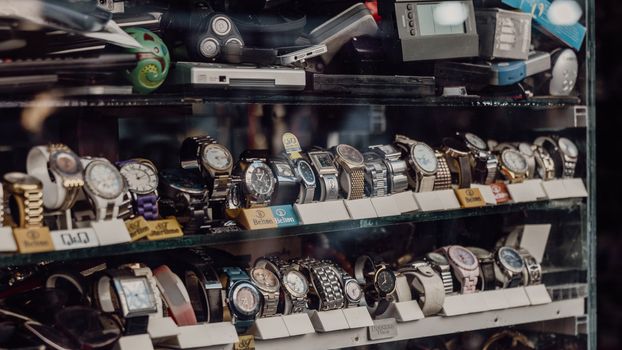
A variety of watches displayed in a shop in Istanbul, showcasing diverse brands and styles. Photo: Eyüpcan Timur / Pexels
The digital landscape has dramatically reshaped luxury brand marketing, challenging traditional notions of exclusivity while simultaneously opening new avenues for engagement. Far from diminishing the allure of luxury, digital platforms have become sophisticated tools for amplifying brand narratives and connecting with affluent consumers globally. However, the approach differs significantly from mass-market digital strategies. Luxury brands prioritize quality over quantity, focusing on elegant, high-definition visuals, immersive content, and platforms that maintain their prestigious image. Instagram, for example, is not just a photo-sharing app but a curated gallery showcasing artistry, craftsmanship, and aspirational lifestyles. Websites are designed as digital flagships, offering rich content, personalized experiences, and often, discreet e-commerce functionalities that mirror the exclusivity of in-store purchases. Storytelling, always central to luxury, finds new life in the digital realm. Brands leverage video content to take consumers behind the scenes of their ateliers, showcasing the intricate processes and skilled artisans that bring their creations to life. This transparency, when managed carefully, builds trust and reinforces the value proposition. Podcasts and long-form articles delve into brand history, collaborations, and philosophical underpinnings, engaging intellectually curious audiences. Influencer marketing in luxury is highly selective, focusing on micro-influencers or thought leaders whose personal brands align perfectly with the luxury brand's values, ensuring authenticity and credibility. These partnerships are often long-term and focus on co-creation rather than simple product placement. Furthermore, data analytics play a crucial role, allowing brands to understand their digital audience's preferences and behaviors without compromising privacy. This data informs personalized communication strategies, from bespoke email campaigns to targeted advertising that respects the consumer's intelligence and discernment. The challenge lies in maintaining an air of exclusivity and mystique in an inherently open digital environment. Luxury brands achieve this by curating their digital footprint with the same precision they apply to their physical presence, ensuring that every pixel and every word reinforces their elevated status and unique value.

Key Strategies for Sustainable Growth and Brand Legacy

Close-up of a woman holding an elegant designer handbag, showcasing luxury fashion. Photo: Rahib Hamidov / Pexels
Achieving sustainable growth in the luxury sector requires more than just selling exquisite products; it demands a long-term vision focused on brand legacy, ethical practices, and continuous innovation. Here are some key strategies: * **Embrace Sustainability and Ethical Sourcing:** Modern luxury consumers, particularly younger generations, are increasingly conscious of a brand's social and environmental impact. Brands that transparently communicate their commitment to sustainable materials, ethical labor practices, and charitable initiatives not only build trust but also appeal to a growing segment of conscientious affluent buyers. This includes everything from supply chain transparency to carbon footprint reduction. * **Cultivate Brand Heritage and Storytelling:** The most enduring luxury brands have rich histories. Continuously reinforcing this heritage through compelling storytelling – highlighting founders, iconic designs, and significant milestones – creates an emotional depth that transcends fleeting trends. This narrative builds a sense of authenticity and timelessness. * **Invest in Bespoke Services and Personalization:** True luxury is often defined by customization. Offering bespoke products, personalized services, or exclusive access tailored to individual client preferences fosters deep loyalty and reinforces the idea that the brand understands and values its unique clientele. * **Strategic Collaborations and Partnerships:** Collaborating with artists, designers, or other luxury brands can inject fresh energy, expand reach to new audiences, and create unique, highly desirable limited-edition offerings. These partnerships must be carefully chosen to align with the brand's values and enhance its prestige. * **Maintain Price Integrity and Scarcity:** Resist the temptation to overproduce or discount heavily. Maintaining a consistent pricing strategy and controlled distribution reinforces the brand's exclusivity and protects its long-term value. Scarcity, when managed correctly, fuels desire. * **Innovate While Preserving Core Identity:** Luxury brands must innovate in product design, technology, and customer experience without losing sight of their core DNA. This delicate balance ensures relevance in a changing market while preserving the brand's unique identity and legacy. * **Focus on Global Relevance with Local Nuance:** While maintaining a global brand image, understanding and adapting to local cultural nuances in different markets is crucial. This can involve tailored marketing campaigns, localized product offerings, or culturally sensitive communication strategies. By diligently implementing these strategies, luxury brands can not only achieve growth but also secure their place as enduring icons for generations to come.

Comparison

Strategy AspectLuxury Brand ApproachMass Market ApproachKey Differentiator
Target AudienceAffluent, discerningBroad, diverseExclusivity vs. Inclusivity
Pricing StrategyPremium, value-basedCompetitive, volume-basedPerceived Value
DistributionSelective, controlled boutiquesWide, accessible retailersBrand Image Control
Marketing FocusExperiential, storytellingPromotional, feature-drivenEmotion vs. Function
Brand MessageHeritage, craftsmanship, aspirationUtility, affordability, trendLegacy & Desire
Customer ServicePersonalized, bespokeStandardized, efficientRelationship vs. Transaction

What Readers Say

"This guide truly demystified the intricate world of luxury brand marketing. The emphasis on exclusivity and experience completely changed our approach, leading to a significant increase in client engagement and perceived value for our bespoke jewelry line."

Evelyn Reed · New York, NY

"As a marketing director for a high-end automotive brand, I found the insights on digital transformation particularly valuable. Implementing a more curated online storytelling strategy has helped us connect with our affluent audience more authentically."

Marcus Thorne · Beverly Hills, CA

"The focus on creating immersive experiences resonated deeply with our luxury hospitality group. By redesigning our guest journeys with these principles, we've seen a 20% increase in repeat bookings and glowing testimonials about our personalized service."

Isabelle Dubois · Miami, FL

"While incredibly comprehensive, some sections felt a bit theoretical. However, the actionable tips on sustainable growth and brand legacy provided clear direction for our luxury fashion startup's long-term strategy. Very helpful overall."

Julian Vance · Chicago, IL

"This resource perfectly articulates the nuances of marketing to discerning clients. We applied the principles of limited editions and controlled distribution to our art gallery, which enhanced the perceived value of our curated collections significantly."

Sophia Chang · San Francisco, CA

Frequently Asked Questions

What is the most crucial element in luxury brand marketing strategies?

The most crucial element is exclusivity, coupled with an unwavering commitment to quality and an immersive customer experience. Luxury brands must cultivate a sense of rarity, prestige, and belonging, making consumers feel they are part of something special and unique, not just purchasing a product.

How do luxury brands maintain exclusivity in the digital age?

Luxury brands maintain exclusivity digitally by carefully curating their online presence, using high-quality visuals, selective influencer partnerships, and sophisticated storytelling. They focus on creating elegant, personalized digital experiences rather than broad, mass-market campaigns, often leveraging private digital communities or exclusive online access.

What role does storytelling play in luxury marketing?

Storytelling is paramount in luxury marketing. It allows brands to convey their heritage, craftsmanship, unique values, and the emotional connection consumers can form with their products. A compelling story transforms a product into a legacy, an aspiration, or a piece of art, justifying its premium price and fostering deeper engagement.

Are luxury brand marketing strategies more expensive than mass-market strategies?

Yes, typically luxury brand marketing strategies are more expensive per consumer reached due to their focus on highly personalized, experiential, and exclusive approaches. However, the return on investment can be higher given the premium pricing of luxury goods and the long-term loyalty of affluent customers, emphasizing value over volume.

How do luxury brands differ from premium brands in their marketing approach?

While both offer high-quality products, luxury brands fundamentally differ by prioritizing exclusivity, heritage, and emotional connection, often with a focus on bespoke services and artisanal craftsmanship. Premium brands, conversely, often emphasize superior performance, features, and modern design, aiming for a broader 'aspirational' market rather than just the truly affluent.

Who should implement luxury brand marketing strategies?

Businesses that offer high-quality, distinctive products or services with a strong heritage, unique craftsmanship, or a truly exceptional experience should implement luxury brand marketing strategies. This approach is best suited for brands targeting affluent consumers who value prestige, exclusivity, and emotional connection over mere functionality or price.

What are the risks of discounting for a luxury brand?

Discounting is a significant risk for luxury brands as it can dilute brand equity, erode perceived value, and damage the brand's image of exclusivity and prestige. It signals that products are not worth their original price, potentially alienating loyal customers and attracting a different, less desirable customer segment that waits for sales.

What future trends will impact luxury brand marketing?

Future trends include the increasing importance of sustainability and ethical practices, the rise of Web3 technologies (NFTs, metaverse experiences for exclusivity), hyper-personalization driven by AI, and a deeper integration of digital and physical experiences. Brands will also need to appeal to Gen Z's values while maintaining their core identity.

Ready to redefine your brand's presence in the elite market? Apply these powerful luxury brand marketing strategies to cultivate desirability, build lasting connections, and secure your place among the world's most coveted brands.

Topics: luxury brand marketing strategieshigh-end marketingaffluent consumer engagementbrand exclusivityexperiential marketing luxury
Leo List
Brampton weed
Adultwork EstrelaBet Vai de Bet R7 Bet Betão Galera Bet Rainbet Bet9ja Shop SportyBet BetKing Sisal Loto Foot Hollywoodbets YesPlay Odibets RushBet Jugabet BetWarrior BetCity MSport betPawa Fortebet