
Mastering Luxury Brand Positioning: A Definitive Guide
Elevate your brand beyond mere products, crafting an unparalleled narrative of desire and distinction in the luxury sector.
Begin Your Luxury JourneyKey Takeaways
- ✓ Luxury is defined by perceived value, not just price.
- ✓ Exclusivity and scarcity are pillars of luxury positioning.
- ✓ Storytelling is paramount in connecting with luxury consumers.
- ✓ The luxury experience extends far beyond the product itself.
How It Works
Identify what makes your luxury offering truly distinct and irreplaceable. This goes beyond features to encompass emotional and aspirational benefits.
Develop a compelling story that resonates with your target audience's desires and values. This narrative should evoke heritage, craftsmanship, and aspiration.
Implement tactics that limit access or production, reinforcing the idea of rarity and desirability. This creates a sense of privilege for owners.
Ensure every touchpoint, from discovery to post-purchase, exemplifies impeccable service and attention to detail. This reinforces the brand's premium status.
The Intricacies of Luxury Market Positioning
 Photo: Ali Senan Köroğlu / Pexels
The foundational elements of luxury positioning include an unwavering commitment to quality, often rooted in artisanal craftsmanship and superior materials. This quality is not just a feature; it's a promise, a testament to the brand's dedication to excellence. Moreover, scarcity and exclusivity play a pivotal role. Luxury brands often limit production, create waiting lists, or offer bespoke services to reinforce the idea that their products are not for everyone, thereby enhancing their desirability. This deliberate constraint fosters a sense of privilege and uniqueness among owners.
Another critical aspect is the brand's heritage and storytelling. Many successful luxury brands boast rich histories, often spanning centuries, which lend them an aura of authenticity and timelessness. This heritage is meticulously woven into their brand narrative, connecting consumers to a legacy of tradition, innovation, and enduring value. The narrative isn't just about the product's origin; it's about the values it embodies, the stories of its creators, and the cultural impact it has had. For instance, a brand might emphasize its founder's visionary spirit or its connection to historical events, creating a deeper, more emotional bond with its audience. This goes beyond mere marketing; it's about building a mythical status around the brand.
Finally, the customer experience is paramount. Every interaction, from the initial discovery to the post-purchase service, must be flawless and personalized. This includes everything from the exquisite packaging and the sophisticated retail environment to the attentive sales associates and exclusive after-sales support. The goal is to make the customer feel valued, understood, and part of an exclusive club. In essence, luxury brand positioning is about crafting an ecosystem of desire, where every element contributes to an unparalleled sense of prestige and emotional fulfillment. For more insights into the broader luxury landscape, exploring how these elements coalesce across different sectors is crucial. It’s a holistic strategy that builds an unassailable fortress around the brand's identity, protecting it from commoditization and ensuring its enduring appeal to the world's most discerning consumers.
Crafting an Unassailable Brand Identity and Narrative
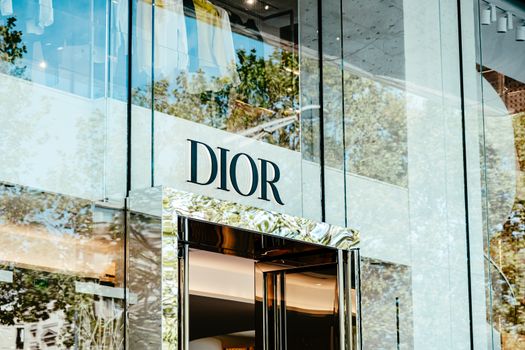 Photo: Mathias Reding / Pexels
The narrative, often referred to as brand storytelling, is the vehicle through which this identity is conveyed. It's not just about what the brand sells, but why it exists, what it stands for, and the journey it has undertaken. Luxury narratives often draw upon themes of heritage, craftsmanship, innovation, artistry, and a connection to a specific lifestyle or cultural movement. For example, a high-end watchmaker might tell a story of generations of master watchmakers, preserving ancient techniques while pushing the boundaries of horological innovation. This narrative creates a sense of authenticity and depth that mass-market brands struggle to replicate. It transforms a product into an artifact with a rich history and a promising future.
Moreover, the narrative must resonate with the aspirations of the target consumer. Luxury consumers often seek brands that align with their self-image, values, and the lifestyle they aspire to lead. The brand's story should tap into these desires, offering not just a product, but a means to fulfill a deeper emotional need – be it belonging, achievement, self-expression, or the pursuit of beauty. This means moving beyond product features to focus on the transformative power of the brand. How does owning this item make the consumer feel? What does it say about them? The narrative answers these questions, creating a powerful emotional hook.
Consider the case of a luxury fashion house that emphasizes its founder's revolutionary spirit and commitment to artistic expression. Its narrative isn't just about clothes; it's about empowering individuality and challenging conventions. This resonates with consumers who see themselves as trendsetters or artistic connoisseurs. The consistency of this narrative across advertising campaigns, in-store experiences, digital content, and public relations is crucial. Any deviation can dilute the brand's carefully constructed image and undermine its luxury positioning. Therefore, brand identity and narrative are not static entities; they are living, evolving stories that must be meticulously managed and nurtured to maintain their allure and exclusivity in the ever-shifting luxury landscape.
The Pillars of Exclusivity, Rarity, and Experience
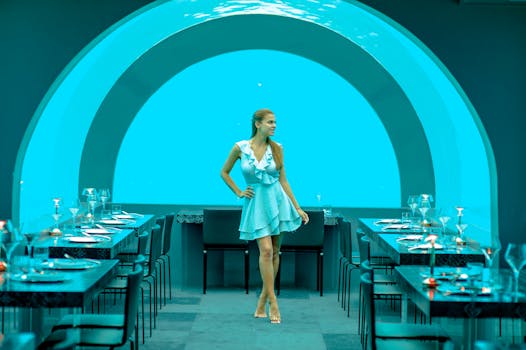 Photo: Asad Photo Maldives / Pexels
Rarity, often intertwined with exclusivity, emphasizes the limited availability of a product or service. This can be achieved through artisanal production methods that inherently limit output, the use of scarce raw materials, or simply by deliberately controlling supply to ensure demand always outstrips it. Think of haute couture, where each garment is a unique piece of art, or high jewelry featuring exceptionally rare gemstones. The perception of rarity not only justifies a higher price point but also imbues the product with a sense of timelessness and investment value. Consumers are buying not just an item, but a piece of history, an heirloom, or a collector's item that will retain or even increase its value over time. This intrinsic value, tied to its scarcity, is a major driver for luxury purchases.
However, exclusivity and rarity alone are insufficient without an extraordinary customer experience. The luxury experience begins long before the purchase and extends far beyond it. Every touchpoint is an opportunity to reinforce the brand's premium status and make the customer feel cherished. This includes the ambiance of the retail space, the knowledge and attentiveness of the sales associates, the elegance of the packaging, the speed and discretion of delivery, and the personalized after-sales service. It's about creating a seamless, indulgent journey that delights the senses and exceeds expectations. For example, a luxury hotel doesn't just offer a room; it offers a sanctuary with personalized concierge services, gourmet dining, and bespoke amenities. Similarly, a high-end automotive brand provides not just a car, but a comprehensive ownership experience that includes exclusive events, dedicated service specialists, and VIP treatment. This holistic approach to luxury experience design is what truly differentiates a luxury brand from a premium one, cementing its position in the minds of its discerning clientele and fostering unparalleled brand loyalty. It’s about selling a feeling, a memory, and a lifestyle that money can buy, but only a select few can truly appreciate.
Common Pitfalls and Best Practices in Luxury Positioning
 Photo: RDNE Stock project / Pexels
A third common error is neglecting the customer experience. In the luxury sector, the product is only one part of the equation; the journey is equally, if not more, important. Poor service, inconsistent branding at touchpoints, or a lack of personalization can severely damage a luxury brand's reputation. Finally, failing to adapt to evolving consumer values, such as sustainability and ethical sourcing, is a growing risk. Modern luxury consumers are increasingly conscious and expect their preferred brands to align with these values.
To counteract these pitfalls, here are some best practices:
- Maintain Uncompromising Quality: Invest continuously in superior materials, artisanal craftsmanship, and innovative design. Quality is non-negotiable.
- Cultivate a Unique Brand Story: Develop a rich, authentic narrative that resonates emotionally and connects with heritage, values, or a distinct philosophy.
- Strategically Manage Scarcity: Employ limited editions, bespoke services, and controlled distribution to maintain desirability and exclusivity.
- Deliver Impeccable Service: Ensure every customer interaction is exceptional, personalized, and reflects the brand's prestige, from online to in-store.
- Embrace Innovation with Tradition: Blend timeless elegance with modern innovation, showing relevance without sacrificing heritage.
- Build a Curated Community: Engage with customers not just as buyers, but as members of an exclusive club, fostering loyalty and advocacy.
- Champion Sustainability and Ethics: Integrate responsible practices into your operations and communicate them transparently to conscious consumers.
Comparison
| Feature | Luxury Brand | Premium Brand | Mass Market Brand |
|---|---|---|---|
| Primary Driver | Desire, Aspiration | Quality, Performance | Utility, Price |
| Price Point | Very High | High | Accessible |
| Exclusivity | High (Limited) | Moderate | Low (Wide) |
| Customer Experience | Bespoke, Immersive | High-Quality Service | Standardized |
| Brand Narrative | Heritage, Artistry | Innovation, Efficiency | Benefits, Value |
| Distribution | Highly Selective | Selective | Widespread |
What Readers Say
"This guide completely transformed my understanding of what makes a luxury brand truly resonate. The emphasis on narrative and experience was a game-changer for our new high-end jewelry line."
Eleanor V. · New York, NY"As a marketing director for a luxury automotive brand, I found the insights on exclusivity and scarcity incredibly valuable. It reinforced our strategy and gave us new avenues to explore."
Marcus L. · Los Angeles, CA"The sections on customer experience were particularly helpful. After implementing some of the suggested personalized touchpoints, our customer satisfaction scores for our bespoke travel service increased by 15%."
Sophia R. · Miami, FL"A very thorough overview, though I would have liked a bit more on digital luxury positioning specifically. Still, the core principles are expertly explained and highly applicable."
David K. · Chicago, IL"I'm launching a luxury skincare brand, and this article was my roadmap. The detailed breakdown of brand identity and avoiding common pitfalls saved me from potential missteps. Highly recommend!"
Isabelle P. · Dallas, TXFrequently Asked Questions
What is the fundamental difference between a luxury brand and a premium brand?
The core difference lies in their primary drivers and perceived value. A luxury brand sells aspiration, desire, and an emotional connection, with value often rooted in heritage, artistry, and exclusivity. A premium brand typically focuses on superior quality, performance, and features, offering a higher-tier product but often still competing on functional benefits within its category.
How important is heritage in luxury brand positioning?
Heritage is incredibly important, often serving as a cornerstone for luxury brands. It provides authenticity, a sense of timelessness, and a rich narrative that connects consumers to a legacy of craftsmanship, innovation, or cultural significance. While newer brands can establish luxury positioning, they must meticulously craft a compelling 'new' heritage or unique origin story.
How can a new brand establish luxury positioning without existing heritage?
New brands can establish luxury positioning by focusing on impeccable quality, innovative design, sustainable practices, and a unique, compelling brand story that resonates with modern values. Emphasizing bespoke services, limited production, and an exceptional, personalized customer experience can also create a strong sense of exclusivity and desirability, building a 'new' heritage through consistent excellence.
Is discounting ever acceptable for a luxury brand?
Generally, discounting is considered detrimental to luxury brand positioning as it undermines the perception of value, exclusivity, and rarity. While some brands may offer private sales to loyal clients or discreetly liquidate old inventory, widespread public discounting is almost universally avoided to protect the brand's prestige and pricing integrity.
How does digital marketing fit into luxury brand positioning?
Digital marketing for luxury brands focuses on creating immersive, aesthetically pleasing, and exclusive online experiences. This includes high-quality visual content, sophisticated storytelling, personalized engagement, and leveraging platforms that allow for curated communities. The goal is to translate the offline luxury experience into a digital realm, maintaining exclusivity and desirability without widespread accessibility.
Who should be responsible for defining a luxury brand's positioning?
Defining a luxury brand's positioning is a strategic task that requires input from various senior stakeholders, including the CEO, marketing director, creative director, and even product development leads. It should be a collaborative effort, guided by deep market insights and a clear vision for the brand's unique place in the luxury landscape.
What are the risks of poor luxury brand positioning?
Poor luxury brand positioning can lead to a dilution of brand equity, confusion among consumers, and ultimately, a failure to command premium prices. It risks commoditization, where the brand is perceived as merely expensive rather than genuinely luxurious, leading to decreased sales, damaged reputation, and an inability to attract and retain affluent clientele.
What future trends will impact luxury brand positioning?
Future trends impacting luxury brand positioning include the increasing demand for sustainability and ethical sourcing, the rise of personalized and bespoke experiences, the integration of cutting-edge technology (like AI and AR) into the customer journey, and a greater emphasis on unique, authentic narratives that connect with conscious consumers. The metaverse and digital ownership (NFTs) are also emerging areas of exploration.
Ready to elevate your brand and carve out an unassailable presence in the opulent market? By understanding luxury brand positioning, you can craft a strategy that resonates with discerning consumers, ensuring your brand isn't just sold, but desired, cherished, and celebrated. Begin building your legacy today.