✓ Luxury is not solely about high price; it's about perceived value and aspiration.
✓ Heritage and storytelling are crucial for establishing a brand's luxury status.
✓ Exceptional craftsmanship and rare materials are hallmarks of luxury goods.
✓ Exclusivity and limited availability drive desirability and maintain brand prestige.
How It Works
1
Understand the Intangibles
Luxury brands sell more than products; they sell dreams, status, and a sense of belonging to an elite group. This emotional connection is paramount.
2
Recognize Quality & Craftsmanship
From raw materials to the finished product, luxury demands meticulous attention to detail and often hand-crafted elements. This ensures durability and unique aesthetic appeal.
3
Value Heritage & Storytelling
A rich history, a compelling founding narrative, or a tradition of innovation adds depth and authenticity to a luxury brand. This narrative contributes significantly to its allure.
4
Appreciate Exclusivity & Experience
Luxury brands often limit production, employ selective distribution, and provide personalized service to create a sense of rarity and privilege. The entire buying journey is part of the luxury experience.
Beyond Price Tag: The True Essence of a Luxury Brand
Photo: Rahib Hamidov / Pexels
In a world saturated with consumer goods, the term "luxury" is often thrown around loosely, leading to confusion about its true meaning. Many mistakenly equate luxury solely with a high price tag, believing that if something is expensive, it must be luxurious. However, to truly understand what defines a luxury brand, one must look far beyond the sticker price. While premium pricing is undoubtedly a characteristic, it is a consequence, not the definition, of luxury. At its core, a luxury brand embodies a complex interplay of intrinsic and extrinsic values that collectively create an unparalleled sense of desirability, aspiration, and prestige. It's about a narrative, a promise, and an experience that transcends mere functionality. It evokes an emotional response, making consumers feel special, accomplished, or part of an exclusive club. This emotional resonance is a cornerstone of true luxury's appeal.
Consider the meticulous attention to detail in the creation of a high-end timepiece, where master craftsmen spend hundreds of hours assembling intricate movements by hand. Or the sourcing of the finest, rarest materials for a couture gown, chosen not just for their beauty but for their unique properties and ethical origins. These elements contribute to a product's cost, but more importantly, they contribute to its inherent value and perceived worth. The journey of a luxury item, from concept to creation, is often a story in itself, involving generations of skill, innovation, and dedication. This storytelling component is vital. Consumers are not just buying an object; they are investing in a piece of history, artistry, and a legacy. They are buying into a dream, an ideal, or a lifestyle that the brand represents. The brand's heritage, its founding principles, and its continuous pursuit of excellence form a compelling narrative that captivates and endears it to its discerning clientele. This narrative isn't just marketing; it's the very soul of the brand, differentiating it from mass-produced alternatives and creating an enduring allure that withstands fleeting trends. Ultimately, understanding what defines a luxury brand requires appreciating this intricate tapestry of history, artistry, and emotional connection, rather than simply focusing on the monetary value.
The Pillars of Prestige: Craftsmanship, Exclusivity, and Heritage
Photo: Tima Miroshnichenko / Pexels
The foundation of any truly luxurious brand rests upon three unshakeable pillars: unparalleled craftsmanship, deliberate exclusivity, and a rich, compelling heritage. These elements are not incidental; they are meticulously cultivated and fiercely protected, forming the bedrock of a brand's enduring appeal and its ability to command premium pricing. Craftsmanship, perhaps the most tangible of these pillars, refers to the superior quality of materials and the meticulous skill involved in creating a product. This often involves traditional techniques passed down through generations, master artisans dedicated to perfection, and an unwavering commitment to detail that goes far beyond industrial standards. For instance, a luxury handbag isn't just stitched; it's often hand-stitched by artisans who have spent years honing their skill, using leathers sourced from specific regions and treated with proprietary methods. This dedication ensures not only exceptional durability but also a unique aesthetic and tactile experience that mass-produced items simply cannot replicate. The rarity of these skills and materials naturally limits production, contributing to the next crucial pillar: exclusivity.
Exclusivity is not merely about high prices; it's a strategic choice to limit availability, creating a sense of rarity and desirability. Luxury brands often employ selective distribution, operating only in prime locations, offering limited editions, or even creating bespoke items. This controlled access ensures that owning a luxury product remains a privilege, not a common occurrence. The perception of scarcity fuels aspiration and reinforces the idea that these goods are not for everyone, thereby elevating their status. This deliberate scarcity helps maintain the brand's mystique and prevents it from becoming commoditized. Finally, heritage provides the deep roots and authentic narrative that elevates a brand beyond a mere product. A brand's history, its founding visionaries, its iconic designs, and its enduring traditions all contribute to its narrative. This storytelling adds layers of meaning and emotional connection, allowing consumers to feel part of something larger and more enduring. A luxury watch brand with a 150-year history of innovation and precision, for example, offers more than just a time-telling device; it offers a legacy of engineering excellence and timeless design. This combination of exquisite creation, controlled access, and a compelling backstory collectively answers what defines a luxury brand, differentiating it profoundly from premium or aspirational labels.
The Intangible Values: Experience, Aspiration, and Emotional Connection
Photo: wal_ 172619 / Pexels
While craftsmanship, exclusivity, and heritage form the structural integrity of a luxury brand, it is the intangible values – the experience, the aspiration, and the profound emotional connection – that truly breathe life into it and solidify its position in the market. Luxury is not just about what you own; it's about how owning it makes you feel, and the journey you undertake to acquire it. The luxury experience begins long before the purchase and extends far beyond it. This encompasses everything from the impeccably designed boutiques with personalized service, to the exquisite packaging, and the attentive after-sales support. Every touchpoint is carefully curated to make the customer feel valued, understood, and part of an elite community. This isn't merely customer service; it's an art form, designed to create memorable moments and foster loyalty. The ambiance of a high-end store, the knowledge of the sales associates, and the bespoke fitting services all contribute to an elevated shopping journey that is as much a part of the product as the item itself. This holistic approach ensures that the act of acquiring a luxury item is an event, not just a transaction.
Aspiration is another powerful, intangible driver. Luxury brands often represent a pinnacle of achievement, success, or refined taste. They symbolize a desired lifestyle, a benchmark that individuals strive towards. Owning a luxury item can be a statement of personal accomplishment, a reward for hard work, or an expression of identity. It's about buying into a dream, a vision of oneself that the brand helps to actualize. This aspirational quality is meticulously cultivated through sophisticated marketing, endorsements by cultural icons, and the consistent portrayal of a desired lifestyle. The emotional connection, perhaps the most potent of all intangible values, is forged through this combination of experience and aspiration. Consumers develop a deep bond with luxury brands, viewing them not just as products but as extensions of their personality, symbols of their values, or cherished heirlooms. This connection transcends rational decision-making, tapping into desires for beauty, recognition, self-expression, and even security. A luxury item can evoke feelings of joy, pride, confidence, or comfort. This emotional resonance is what makes people willing to invest significantly in items that, on a purely functional level, might be replicated by far cheaper alternatives. It's this deep-seated emotional investment that ultimately answers what defines a luxury brand, making it an indispensable part of their identity and aspirations.
Navigating the Luxury Landscape: Common Misconceptions & Key Indicators
Photo: Danish Ramlee / Pexels
Understanding what defines a luxury brand is crucial for both consumers and businesses, yet several common misconceptions often cloud this understanding. One prevalent mistake is equating premium brands with luxury brands. While premium brands offer high quality and often higher prices than mainstream options, they typically focus on superior functionality and performance at a competitive price point within their segment. Luxury, conversely, transcends mere function, prioritizing emotional and experiential value. Another misconception is that luxury is static; in reality, the luxury landscape is constantly evolving, influenced by cultural shifts, technological advancements, and changing consumer values. What was considered luxurious a century ago might differ significantly from today's interpretation, which increasingly emphasizes sustainability, ethical sourcing, and personalized experiences. True luxury brands adapt while staying true to their core values, making innovation a key differentiator.
To accurately identify a luxury brand, look for these key indicators:
1. **Uncompromising Quality:** Not just good, but exceptional materials and construction that ensure longevity and an unparalleled sensory experience.
2. **Scarcity and Limited Availability:** Deliberate strategies to control distribution and production, making products rare and highly sought after.
3. **Rich Heritage and Storytelling:** A compelling narrative that connects the brand to its past, its founders, and its enduring values.
4. **Exceptional Customer Experience:** Personalized, attentive service at every touchpoint, from purchase to after-sales care.
5. **Emotional Resonance:** The ability to evoke strong feelings of desire, aspiration, status, or self-expression.
6. **Timeless Design:** Aesthetics that transcend fleeting trends, maintaining relevance and beauty for generations.
7. **Innovation and Craftsmanship:** A continuous pursuit of perfection, combining traditional techniques with cutting-edge advancements.
8. **Brand Consistency:** An unwavering commitment to its identity, values, and quality across all products and communications.
By focusing on these multifaceted indicators, consumers can better discern genuine luxury from mere expensive imitations, and brands can strategically cultivate an authentic luxury identity that resonates deeply with their target audience.
Comparison
Feature
Luxury Brand
Premium Brand
Mass Market Brand
Primary Value
Aspiration, Emotion, Status
Quality, Performance, Value
Functionality, Affordability
Price Point
Very High, Exclusive
High, Accessible
Low to Moderate, Widespread
Production Volume
Limited, Bespoke
High, but controlled
Very High, Mass-produced
Materials & Craftsmanship
Rare, Hand-crafted, Exquisite
High Quality, Advanced Mfg.
Standard, Cost-effective
Customer Experience
Personalized, Immersive
Efficient, Professional
Transactional, Standard
Marketing Focus
Storytelling, Heritage, Dreams
Features, Benefits, Lifestyle
Price, Convenience, Utility
Distribution
Selective Boutiques, Online
Department Stores, Retailers
Everywhere, Online & Offline
Emotional Connection
Deep, Identity-forming
Positive, Satisfying
Functional, Practical
What Readers Say
★★★★★
"Before reading this, I thought luxury was just about cost. Now I truly understand that what defines a luxury brand is its heritage and the story it tells, making my recent watch purchase feel so much more meaningful."
Eleanor V. · New York, NY
★★★★★
"This article perfectly articulates the difference between high-end and true luxury. The focus on craftsmanship and exclusivity clarified why certain brands command such loyalty and admiration."
Marcus L. · Los Angeles, CA
★★★★★
"I always associated luxury with flashy displays, but this breakdown on what defines a luxury brand highlighted the importance of subtle details and an unparalleled customer experience. It shifted my entire perspective on how I evaluate brands."
Sophia R. · Miami, FL
★★★★★
"While I agree with most points, I feel the article could have delved a bit more into sustainable luxury trends. However, its explanation of exclusivity and emotional connection was spot on and very insightful for understanding what defines luxury brand today."
David P. · Chicago, IL
★★★★★
"As someone in marketing, understanding what defines a luxury brand is critical. This piece offered a comprehensive, nuanced view that goes beyond surface-level analysis, providing a valuable framework for strategic brand development."
Jessica M. · Dallas, TX
Frequently Asked Questions
What is the single most important factor that defines a luxury brand?
While many factors contribute, the single most important factor that defines a luxury brand is its ability to create a deep emotional connection and a sense of aspiration in its consumers. This transcends mere product features, focusing on the feelings, status, and identity the brand bestows upon its owner, built upon a foundation of quality and heritage.
Is a high price point always an indicator of a luxury brand?
No, a high price point is not always an indicator of a true luxury brand. While luxury items are typically expensive, the price is a consequence of factors like rare materials, meticulous craftsmanship, limited production, and extensive marketing, rather than the sole defining characteristic. Many premium or niche brands also carry high price tags without possessing the full spectrum of luxury attributes like deep heritage or aspirational storytelling.
How do luxury brands maintain exclusivity in a global market?
Luxury brands maintain exclusivity in a global market through several strategies: limited production runs, selective distribution channels (often owning their own boutiques), personalized clienteling, creating bespoke or made-to-order items, and controlling their brand narrative and image meticulously. They prioritize quality interactions over quantity of sales, ensuring demand consistently outstrips supply.
What is the difference between a 'premium' brand and a 'luxury' brand?
The key difference lies in their core value proposition. Premium brands offer superior quality, performance, and features compared to mass-market options, providing excellent value for their higher price. Luxury brands, however, go beyond functional superiority, focusing on emotional resonance, aspiration, heritage, and an unparalleled experience. They sell a dream and a lifestyle, not just a product.
Can a new brand become a luxury brand quickly, or does it require time?
While rare, a new brand can gain luxury status relatively quickly if it meticulously cultivates all the defining attributes: exceptional craftsmanship, deliberate scarcity, a compelling and authentic narrative, and an immersive customer experience from day one. However, the deep heritage that many established luxury brands possess is something that inherently requires time to build, often spanning generations.
Who is the primary target audience for luxury brands?
The primary target audience for luxury brands typically consists of affluent individuals who value quality, exclusivity, and unique experiences. They are often discerning consumers who seek to express their identity, status, and refined taste through their purchases. This audience also includes aspirational buyers who save to acquire specific luxury items as symbols of achievement or personal reward.
Are luxury brands adapting to sustainable practices, and is it changing what defines luxury?
Yes, many luxury brands are increasingly adapting to sustainable and ethical practices, and this is indeed influencing what defines luxury. Modern luxury consumers, particularly younger generations, are more conscious of a brand's social and environmental impact. Therefore, transparency, ethical sourcing, circular economy initiatives, and sustainable production methods are becoming integral to maintaining a luxury brand's desirability and relevance, evolving the definition to include responsible luxury.
What future trends might impact what defines a luxury brand?
Future trends impacting luxury brand definitions include the increasing importance of digital and metaverse experiences, hyper-personalization through AI, the rise of conscious consumption (sustainability, ethics), and the blurring lines between physical and virtual ownership (NFTs). Brands will need to innovate while preserving their core values of craftsmanship and exclusivity to remain relevant to evolving consumer expectations.
Unlocking the true meaning of luxury goes beyond the price tag. By understanding what defines a luxury brand – its heritage, craftsmanship, exclusivity, and emotional resonance – you gain a profound appreciation for these timeless creations and the aspirational worlds they represent.

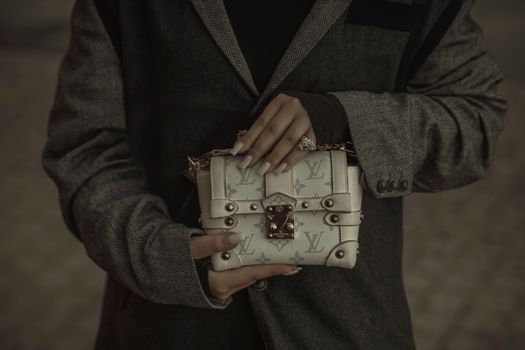 Photo: Rahib Hamidov / Pexels
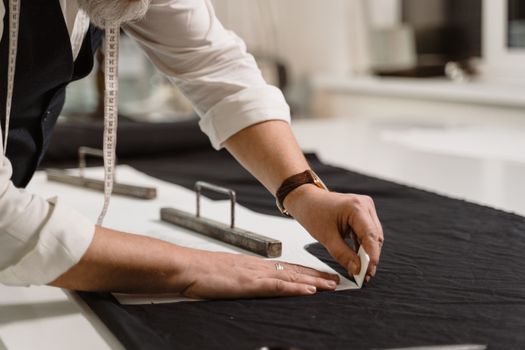 Photo: Tima Miroshnichenko / Pexels
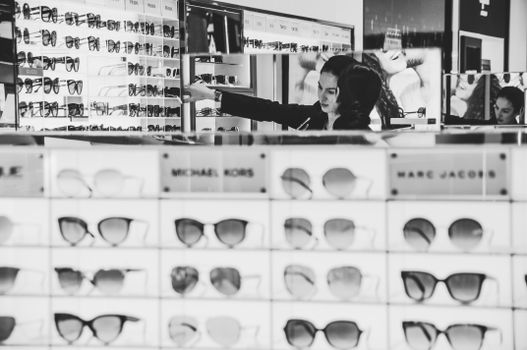 Photo: wal_ 172619 / Pexels
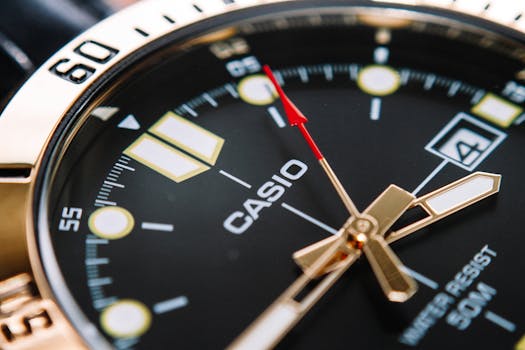 Photo: Danish Ramlee / Pexels