✓ Sustainable luxury fashion blends high-end design with ethical and environmental responsibility.
✓ It encompasses the entire lifecycle: sourcing, production, distribution, and end-of-life.
✓ Key principles include circularity, fair labor, reduced environmental impact, and transparency.
✓ Consumers drive this shift, seeking products that align with their values without compromising quality.
How It Works
1
Ethical Sourcing of Materials
Brands prioritize materials like organic cotton, recycled fibers, innovative bio-based leathers, or responsibly sourced cashmere. This ensures minimal environmental damage and fair treatment of raw material producers.
2
Transparent Production Processes
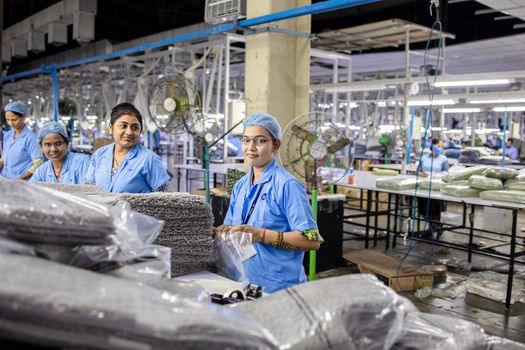
From design to manufacturing, sustainable luxury champions transparency. This involves fair wages, safe working conditions, reduced waste, and lower carbon footprints throughout the supply chain.
3
Longevity and Timeless Design
Unlike fast fashion, sustainable luxury focuses on creating durable, high-quality pieces designed to last for generations. This promotes a 'buy less, buy better' philosophy, reducing consumption.
4
Circular Economy Integration
Many brands implement take-back programs, repair services, or design for recyclability and upcycling. This closes the loop, minimizing waste and maximizing resource utility.
Defining Sustainable Luxury Fashion: More Than Just Eco-Friendly
Photo: Lum3n / Pexels
The concept of luxury has long been associated with exclusivity, craftsmanship, and superior quality. For decades, the environmental and social impact of producing these coveted items often remained in the shadows. However, as global awareness of climate change, social injustice, and resource depletion grows, the very definition of luxury is undergoing a profound transformation. So, what is sustainable luxury fashion? It's not merely about using organic cotton or recycled polyester; it's a holistic philosophy that integrates ethical and environmental responsibility across every facet of a brand's operations, without compromising on the intrinsic values of luxury: unparalleled quality, exquisite design, and enduring value. This paradigm shift acknowledges that true luxury in the 21st century must be mindful, respectful, and regenerative. It represents a conscious decision by brands to move beyond compliance and embrace genuine stewardship of people and planet.
At its core, sustainable luxury fashion seeks to minimize negative environmental impacts and maximize positive social contributions throughout the entire product lifecycle. This includes the responsible sourcing of raw materials, ensuring fair labor practices and safe working conditions for all artisans and factory workers, minimizing water and energy consumption during manufacturing, reducing waste through innovative design and circular models, and extending the lifespan of products through quality craftsmanship and repair services. It also involves a commitment to transparency, allowing consumers to understand the journey of their garments from conception to closet. This level of detail and care is what elevates a brand from merely 'eco-friendly' to truly 'sustainable luxury.' It's about creating pieces that are not only beautiful and desirable but also carry a story of integrity and positive impact. The discerning consumer today is no longer just buying a product; they are investing in values, a legacy, and a better future. This evolving landscape challenges traditional notions of opulence, proving that true extravagance can, and should, be synonymous with ethical responsibility. Understanding this foundational definition is the first step in appreciating the complexities and opportunities within this burgeoning sector. It signals a move away from disposability and towards a reverence for craft, resources, and human dignity, making each purchase a considered and meaningful act.
The Pillars of Ethical Production and Material Innovation
Photo: Yuliya Duzhaya / Pexels
The journey of sustainable luxury fashion begins long before a garment reaches the runway; it starts with the meticulous selection and sourcing of materials. Ethical production is built on several foundational pillars, each critical to the integrity of the final product and the brand's commitment to sustainability. One primary pillar is the responsible sourcing of raw materials. This means moving away from conventional, resource-intensive materials and embracing alternatives that have a lower environmental footprint. Examples include certified organic cotton, which avoids harmful pesticides and uses less water; recycled materials like regenerated nylon (ECONYL) or recycled cashmere, which divert waste from landfills; and innovative bio-materials such as mushroom leather (Mylo), pineapple leather (Piñatex), or lab-grown silk, which offer animal-free and petroleum-free alternatives. The focus here isn't just on the material itself, but also on the supply chain behind it – ensuring fair wages and safe working conditions for farmers and producers.
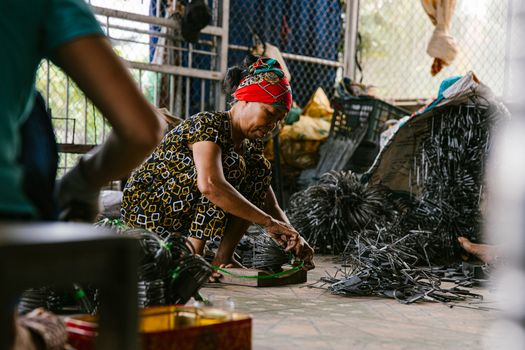
Beyond raw materials, the production process itself must adhere to stringent ethical standards. This includes minimizing water usage, reducing chemical pollution through closed-loop dyeing systems, and powering factories with renewable energy sources. Many sustainable luxury brands invest heavily in local craftsmanship and traditional techniques, not only to preserve cultural heritage but also to reduce the carbon footprint associated with globalized manufacturing and to ensure direct oversight of working conditions. Fair labor practices are non-negotiable, encompassing living wages, reasonable working hours, and the absence of child labor or forced labor at every tier of the supply chain. This commitment extends to the artisans who often possess specialized skills passed down through generations, ensuring their livelihoods are supported and respected. Traceability and transparency are also paramount, enabling brands to track their products from raw material to finished good and to communicate this journey openly with consumers. This often involves certifications from independent bodies that verify environmental and social standards. The convergence of material innovation and ethical production forms the backbone of a truly sustainable luxury offering, demonstrating that sophistication and responsibility can coexist harmoniously and even elevate each other.
The Business Case for Sustainability: Why Luxury Brands are Adapting
Photo: Manish Jain / Pexels
The shift towards sustainable luxury fashion isn't solely driven by altruism; there's a compelling business case underpinning this transformation. Luxury brands, traditionally known for their heritage and exclusivity, are now finding that sustainability is becoming a critical differentiator and a driver of long-term value. One significant factor is changing consumer expectations. Today's affluent consumers, particularly younger generations like Millennials and Gen Z, are increasingly conscious of the environmental and social impact of their purchases. They are willing to pay a premium for products that align with their values, demanding transparency, ethical sourcing, and a commitment to sustainability. Brands that fail to adapt risk alienating this growing and influential demographic, potentially losing market share to more forward-thinking competitors.
Beyond consumer demand, regulatory pressures are also increasing. Governments worldwide are introducing stricter environmental regulations, particularly concerning waste, emissions, and chemical usage. Proactive engagement with sustainable practices allows luxury brands to stay ahead of these regulations, mitigating risks and avoiding potential fines or reputational damage. Furthermore, embracing sustainability can lead to operational efficiencies and cost savings. Investing in renewable energy, optimizing resource use, and minimizing waste can reduce long-term operational expenses. For example, circular business models, which focus on repair, resale, and recycling, can unlock new revenue streams and foster greater customer loyalty by extending the product lifecycle and offering new ways to engage with the brand. This concept of circular luxury is gaining significant traction, allowing brands to maintain control over their secondary markets and ensure the continued quality and value of their products.
Reputation and brand equity are invaluable assets for luxury brands, and sustainability is increasingly intertwined with both. Brands perceived as responsible and ethical tend to attract and retain top talent, enhance their public image, and build stronger relationships with stakeholders, including investors, suppliers, and employees. In an era where corporate social responsibility is scrutinized, a genuine commitment to sustainability can provide a competitive edge, fostering trust and loyalty in a crowded marketplace. Ultimately, the business case for sustainable luxury fashion is clear: it's not just about doing good, but about doing good business – future-proofing brands, meeting evolving market demands, and ensuring long-term profitability and relevance in a rapidly changing world.
Navigating the Landscape: Tips for the Conscious Luxury Consumer
Photo: Mikhail Nilov / Pexels
For the conscious consumer eager to embrace sustainable luxury fashion, navigating the market can sometimes feel overwhelming. With increasing greenwashing claims and varying degrees of commitment from brands, it's essential to equip yourself with the right tools and knowledge. Here are some practical tips to help you make informed and impactful choices:
* **Look for Certifications:** Reputable third-party certifications like GOTS (Global Organic Textile Standard), Fair Trade Certified, OEKO-TEX, B Corp, and Cradle to Cradle provide independent verification of a brand's environmental and social claims. These certifications offer assurance that products meet specific sustainability benchmarks.
* **Prioritize Transparency:** Sustainable luxury brands should be open about their supply chains, manufacturing processes, and material sourcing. Look for detailed information on their websites, in their annual reports, or even directly on product tags. If a brand is vague or unwilling to share this information, it might be a red flag.
* **Research Material Choices:** Educate yourself on sustainable materials. Opt for natural, organic, or recycled fibers, and consider innovative bio-materials. Understand the difference between truly sustainable options and those that are only partially 'green.'
* **Invest in Longevity:** True luxury is about enduring quality. Choose timeless pieces that are well-made and designed to last. This 'buy less, buy better' philosophy inherently reduces waste and the demand for new production.
* **Check for Repair Services:** A hallmark of sustainable luxury is the ability to repair and maintain garments. Many high-end brands now offer repair services, extending the life of your investment and fostering a more circular approach.
* **Support Resale and Rental Platforms:** Participate in the circular economy by utilizing luxury resale platforms (like The RealReal or Vestiaire Collective) or rental services. This gives new life to existing garments and reduces the need for new production.
* **Engage with Brands:** Ask questions! Use social media, email, or in-store interactions to inquire about a brand's sustainability practices. Your engagement sends a clear message that consumers care about these issues.
By following these guidelines, you can confidently navigate the sustainable luxury landscape, making choices that reflect your values without compromising on style or quality. Your purchasing power is a potent tool for driving positive change within the fashion industry.
Comparison
Feature
Sustainable Luxury Brand
Traditional Luxury Brand
Fast Fashion Brand
Material Sourcing
Organic, recycled, innovative bio-materials with certifications
Often conventional, some nascent sustainable efforts
Cheapest available, synthetic, often non-traceable
Labor Practices
Fair wages, safe conditions, full transparency
Varies, improving but often less transparent than sustainable brands
Often poor wages, unsafe conditions, high exploitation risk
Product Lifespan
Designed for generations, repairable, timeless
High quality, durable, but less focus on repair/circularity
High resource use, increasing efforts to reduce impact
Very high carbon, waste, pollution, massive resource consumption
Transparency
Full supply chain visibility, public reports
Partial to moderate, often limited to Tier 1 suppliers
Minimal to none, opaque supply chains
Price Point
Premium (reflects true cost of ethical production)
Premium (reflects brand, design, quality)
Low (reflects cost-cutting, often at ethical expense)
What Readers Say
★★★★★
"I used to feel guilty about buying luxury, but discovering what is sustainable luxury fashion changed everything. My new handbag is not just stunning, it's made from recycled materials and supports artisans. It's a joy to own."
Sarah J. · New York, NY
★★★★★
"Investing in a sustainable luxury watch was a revelation. The craftsmanship is impeccable, and knowing the brand's commitment to ethical sourcing makes it even more valuable to me. It's truly a piece with a conscience."
Michael T. · Los Angeles, CA
★★★★★
"I've been seeking brands that genuinely embody what is sustainable luxury fashion, and I finally found one that offers transparent sourcing and a repair program. My trench coat feels like an heirloom I'll pass down, reducing my overall consumption."
Emily R. · Austin, TX
★★★★★
"While the price point for sustainable luxury can be a stretch, the quality and peace of mind are worth it. I appreciate the effort brands are making, though I wish more options were available in my preferred styles."
David L. · Chicago, IL
★★★★★
"As a former fast fashion addict, embracing what is sustainable luxury fashion has transformed my wardrobe. I now have fewer, but much higher quality pieces that I cherish, and I feel good about my impact."
Olivia P. · Miami, FL
Frequently Asked Questions
What is the core difference between 'sustainable fashion' and 'sustainable luxury fashion'?
While both prioritize ethical and environmental responsibility, 'sustainable luxury fashion' adds an unwavering commitment to exceptional quality, exquisite craftsmanship, timeless design, and often, higher innovation in sustainable materials and circularity, aligning with the traditional values of luxury without compromise.
Is sustainable luxury fashion more expensive?
Generally, yes. The higher cost reflects the true expense of ethical labor, responsibly sourced (often innovative or rare) materials, meticulous craftsmanship, smaller production runs, and investments in sustainable technologies. It's an investment in quality, durability, and ethical production.
How can I verify if a luxury brand is truly sustainable?
Look for third-party certifications (e.g., GOTS, Fair Trade, B Corp), check for transparent supply chain information on their website, research their material sourcing, and assess their commitment to fair labor and circularity initiatives like repair programs or take-back schemes. Be wary of vague claims.
What are some common sustainable materials used in luxury fashion?
Common materials include organic cotton, recycled cashmere, regenerated nylon (ECONYL), Tencel Lyocell, certified responsibly sourced leather, and innovative bio-materials like mushroom leather (Mylo), pineapple leather (Piñatex), or lab-grown silk. The focus is on materials with lower environmental impact.
Does sustainable luxury mean sacrificing style or design?
Absolutely not. Sustainable luxury fashion proves that ethical production can go hand-in-hand with cutting-edge design and aesthetics. Many leading luxury brands and emerging designers are demonstrating how creativity and sustainability can enhance each other, producing stunning, timeless pieces.
Who should consider buying sustainable luxury fashion?
Anyone who values quality, longevity, ethical production, and environmental responsibility in their purchases. It's ideal for consumers who want to invest in fewer, higher-quality items that align with their personal values and contribute positively to the planet and its people.
Are there any risks associated with sustainable luxury claims?
The main risk is 'greenwashing,' where brands make unsubstantiated or misleading claims about their sustainability. Consumers should be diligent in their research and look for concrete evidence, certifications, and transparency to avoid falling for superficial marketing.
What are the future trends for sustainable luxury fashion?
Future trends include increased adoption of circular economy models (rental, resale, repair), advanced material innovation (bio-fabrication, regenerative agriculture), hyper-transparency through blockchain technology, and a greater emphasis on social equity within supply chains. Personalization and customization with sustainable practices will also grow.
Embrace the future of elegance and ethics. By understanding what is sustainable luxury fashion, you empower yourself to make choices that not only elevate your style but also contribute to a more responsible and beautiful world. Discover brands that align with your values and invest in luxury that truly lasts.