The Future of Luxury Market: Redefining Exclusivity & Experience
future of luxury market

The Future of Luxury Market: Redefining Exclusivity & Experience

Discover how innovation, sustainability, and bespoke experiences are reshaping the landscape of high-end consumption.

Uncover the Trends

Key Takeaways

  • ✓ The global luxury market is projected to reach $600 billion by 2027.
  • ✓ Sustainability and ethical sourcing are becoming non-negotiable for luxury consumers.
  • ✓ Experiential luxury, focusing on unique moments, is outpacing material goods growth.
  • ✓ Digitalization, including AI and Web3, is transforming how luxury brands interact with clients.

How It Works

1
Understand Evolving Consumer Values

Luxury consumers are increasingly prioritizing purpose, sustainability, and authenticity over overt displays of wealth. Brands must align with these values.

2
Embrace Hyper-Personalization

Tailoring products, services, and experiences to individual preferences is paramount. Leveraging data and AI will be key to achieving this bespoke approach.

3
Invest in Experiential Offerings

Beyond products, luxury is about creating unforgettable memories and unique access. This includes exclusive events, travel, and immersive brand interactions.

4
Integrate Digital & Physical Seamlessly

The future is phygital, blending online and offline channels for a consistent, elevated customer journey. This includes metaverse presence and advanced e-commerce.

The Shifting Sands of Luxury Consumer Expectations
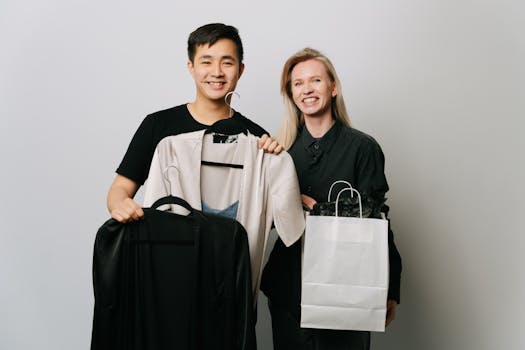
A happy couple displaying fashion choices with bags and clothes in a studio setting. Photo: Ivan S / Pexels
The landscape of the luxury market is undergoing a profound transformation, driven largely by a seismic shift in consumer expectations. No longer content with mere opulence, today's discerning buyers, particularly younger generations like Gen Z and Millennials, are seeking value beyond the material. They demand transparency, ethical practices, and a clear demonstration of social and environmental responsibility from the brands they patronize. This isn't just a preference; it's rapidly becoming a fundamental criterion for purchase. Brands that fail to adapt to these evolving demands risk alienating a significant portion of their future customer base. The 'why' behind a purchase now carries as much weight as the 'what'. Consumers want to know the story behind the product, the craftsmanship involved, and the impact the brand has on the world. This necessitates a radical rethinking of brand narratives, moving away from purely aspirational messaging towards more authentic and purpose-driven communication. The rise of conscious consumption means that luxury is being redefined not just by price, but by principles. Brands are now expected to be stewards of culture, craft, and the planet, rather than just purveyors of expensive goods. This shift also impacts how luxury is perceived and displayed. Subtle elegance and understated quality are gaining ground over overt branding, reflecting a desire for more personal and less ostentatious forms of luxury. The concept of 'quiet luxury' is a direct manifestation of this trend, where the value lies in intrinsic quality, timeless design, and exceptional materials, rather than easily recognizable logos. This evolving consumer mindset is compelling brands to innovate across their entire value chain, from sourcing and production to marketing and customer service, ensuring every touchpoint reflects these new values. Furthermore, the global nature of the luxury market means that these shifts are not confined to specific regions but are becoming universal, requiring a harmonized approach to brand strategy. The future of luxury market hinges on understanding and proactively responding to these deep-seated shifts in consumer values and desires.

Sustainability and Ethical Sourcing: The New Pillars of Prestige
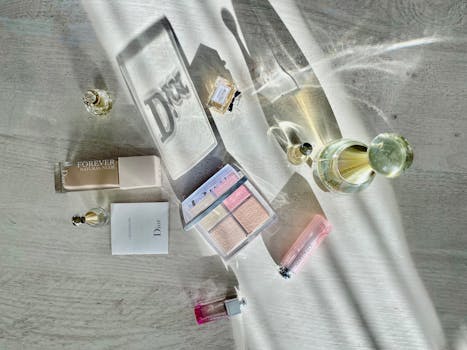
High-angle shot of Dior cosmetics and perfumes casting artistic shadows. Photo: Table 🥑 / Pexels
Perhaps the most significant force reshaping the future of luxury market is the undeniable imperative for sustainability and ethical sourcing. What was once a niche concern has now moved squarely into the mainstream, becoming a non-negotiable aspect for luxury brands aiming for long-term relevance and success. Consumers are increasingly aware of the environmental footprint and social impact of their purchases, and they expect luxury brands, with their premium pricing and perceived higher standards, to lead the way. This goes far beyond simple greenwashing; it demands genuine commitment to sustainable practices throughout the entire supply chain. From the responsible sourcing of raw materials, such as conflict-free diamonds or ethically harvested exotic leathers, to eco-friendly production processes that minimize waste and energy consumption, every stage is under scrutiny. Brands are investing heavily in circular economy models, promoting repair, resale, and recycling initiatives to extend product lifecycles and reduce their environmental impact. Transparency is key, with brands expected to provide verifiable information about their sourcing, manufacturing, and labor practices. Certifications and third-party audits are becoming crucial tools for building consumer trust and demonstrating authentic commitment. Moreover, ethical labor practices, fair wages, and safe working conditions for artisans and workers involved in the creation of luxury goods are paramount. Any deviation from these standards can lead to severe reputational damage in today's hyper-connected world. The narrative around luxury is evolving from exclusivity based on rarity to exclusivity based on responsibility. Brands that can demonstrate a genuine and verifiable commitment to sustainability and ethics are not only meeting consumer demands but are also building a more resilient and future-proof business model. This commitment is not just about avoiding negative impacts; it's about actively contributing to positive change, fostering a sense of shared values between the brand and its clientele. The future of luxury market is inextricably linked to its ability to embrace and champion these principles, transforming them from mere buzzwords into core operational philosophies. This shift presents both challenges and immense opportunities for innovation and differentiation within the competitive luxury landscape.

The Rise of Experiential Luxury and Hyper-Personalization

In an increasingly commoditized world, the future of luxury market is shifting from mere ownership to profound experiences and unparalleled personalization. Consumers are no longer satisfied with simply acquiring high-end products; they crave unique, memorable moments that resonate deeply and reflect their individual identities. This 'experiential luxury' trend manifests in various forms, from bespoke travel itineraries and exclusive access to cultural events to private culinary journeys and immersive brand activations. The value lies not just in the experience itself, but in the story it creates and the memories it leaves. Brands are responding by curating services that go far beyond transactional purchases, offering access to their heritage, craftsmanship, and a community of like-minded individuals. Think private atelier visits, custom-designed safaris, or one-on-one styling sessions with creative directors. This shift also ties into the desire for authentic connection and a break from the ordinary, offering escape and enrichment. Hand-in-hand with experiential luxury is the demand for hyper-personalization. Generic offerings, even at the highest price points, are losing their luster. Today's luxury consumer expects products and services to be tailored precisely to their tastes, preferences, and even their lifestyle. This could involve customized products, from engraved accessories to made-to-measure clothing, or highly individualized services, such as a personal shopper who understands their entire wardrobe and upcoming needs. Leveraging data analytics and artificial intelligence, brands are developing sophisticated ways to anticipate desires and offer truly bespoke solutions. This level of personalization fosters a deeper relationship between the brand and the client, transforming a purchase into a collaborative creation. It moves beyond simple customization to a comprehensive understanding of the individual, offering an experience that feels uniquely theirs. The blend of exquisite experiences and meticulously personalized offerings creates a powerful differentiator in a crowded market, fostering loyalty and a sense of belonging that transcends the product itself. Brands that master this combination will not only survive but thrive in the evolving luxury landscape, building lasting connections with their most valuable clients.

Digital Transformation and Web3 Integration: Navigating the New Frontier

The digital revolution continues to profoundly impact the future of luxury market, forcing brands to embrace innovation at an unprecedented pace. While luxury was traditionally slow to adopt digital channels, the pandemic accelerated this shift, making a robust online presence non-negotiable. This isn't just about e-commerce; it's about creating immersive digital experiences that mirror the exclusivity and service of physical boutiques. Augmented reality (AR) and virtual reality (VR) are being utilized for virtual try-ons, showroom experiences, and even virtual events, allowing consumers to interact with products and brands from anywhere in the world. Artificial intelligence (AI) is playing a crucial role in enhancing personalization, from predictive analytics that anticipate customer needs to AI-powered chatbots providing instant, tailored support. The emergence of Web3 technologies, including blockchain, NFTs (Non-Fungible Tokens), and the metaverse, presents both significant opportunities and challenges. Blockchain can enhance transparency and authenticity, providing verifiable provenance for luxury goods and combating counterfeiting. NFTs are being used to create digital twins of physical products, offering exclusive access to digital content, or serving as unique collectibles that confer status in virtual worlds. The metaverse, still in its nascent stages, offers a new frontier for brand engagement, allowing luxury houses to create virtual stores, host digital fashion shows, and even sell digital-only collections or experiences. Brands like Gucci, Louis Vuitton, and Burberry are already experimenting with these technologies, exploring how to extend their brand identity and exclusivity into these new virtual realms. The key for luxury brands is to integrate these digital tools seamlessly into their overall strategy, ensuring they augment rather than detract from the core values of exclusivity, craftsmanship, and personalized service. The future of luxury market will be defined by those brands that can expertly navigate this digital landscape, blending cutting-edge technology with timeless elegance to create unparalleled experiences for the next generation of luxury consumers. Embracing these technologies isn't just about staying relevant; it's about unlocking new avenues for creativity, community building, and revenue generation in an increasingly digital-first world.

Comparison

FeatureTraditional LuxuryFuture Luxury (Emerging)Future Luxury (Leading)
Core ValueExclusivity, StatusQuality, Heritage, EthicsPurpose, Experience, Community
Consumer FocusWealthy ElitesAffluent & ConsciousDiverse, Global, Digital Natives
Key DriverProduct AcquisitionSustainable ProductionExperiential & Personalized
Digital AdoptionLimited, E-commerceIntegrated, AR/VRSeamless Phygital, Web3
SustainabilityMinimal/RetrofitCore StrategyIntegral to Brand Identity
PersonalizationStandardizedCustomization OptionsHyper-Personalized Journeys
AuthenticityBrand ReputationVerifiable SourcingBlockchain Provenance

What Readers Say

"This article provided an incredibly insightful look into the future of luxury market. It clearly articulated the shift towards sustainability and personalized experiences, which is exactly what I'm seeing in my own purchasing habits."

Evelyn Reed · New York, NY

"As a luxury brand consultant, this analysis of the future of luxury market is spot on. The emphasis on ethical sourcing and Web3 integration offers practical guidance for brands looking to stay ahead."

Marcus Chen · Los Angeles, CA

"Finally, a comprehensive piece that explains why luxury is changing! I've been seeking brands that offer more than just a product, and this article confirms my belief that experiences and values are paramount in the future of luxury market."

Sophia Rodriguez · Miami, FL

"While excellent, I'd have loved a bit more on the challenges smaller luxury brands face in adopting these expensive digital transformations. Nonetheless, a valuable read for understanding the future of luxury market."

David Kim · Chicago, IL

"The focus on quiet luxury and purposeful consumption resonated deeply. It's refreshing to see an article that understands the nuanced desires of the modern luxury consumer and the future of luxury market."

Chloe Adams · Seattle, WA

Frequently Asked Questions

What are the biggest drivers shaping the future of luxury market?

The biggest drivers are evolving consumer values prioritizing sustainability and authenticity, the demand for unique experiential offerings, and the rapid integration of digital technologies like AI, AR/VR, and Web3. These forces are collectively redefining what luxury means to the modern consumer.

Is traditional luxury dead?

Traditional luxury isn't dead, but it's evolving. While the core values of craftsmanship and exclusivity remain, brands must adapt by incorporating sustainability, ethical practices, and personalized experiences to appeal to new generations and remain relevant in the future of luxury market.

How can luxury brands prepare for the future?

Luxury brands can prepare by investing in sustainable supply chains, embracing hyper-personalization through data and AI, developing compelling experiential offerings, and strategically integrating digital and Web3 technologies to create seamless 'phygital' customer journeys. Continuous innovation and a deep understanding of evolving consumer desires are key.

Will luxury become more accessible in the future?

While some aspects of luxury, particularly through digital and virtual experiences, might become more accessible, the core of luxury will likely retain its exclusivity. The definition of exclusivity might shift from pure price point to rarity of experience, unique access, or verifiable ethical provenance, ensuring its distinctiveness.

How important is sustainability in the future of luxury market?

Sustainability is paramount. It's no longer a 'nice-to-have' but a fundamental expectation for luxury consumers. Brands that genuinely commit to ethical sourcing, eco-friendly production, and circular economy models will gain trust and loyalty, becoming a defining characteristic of prestige in the future of luxury market.

Who should be most concerned about these changes?

Luxury brand executives, product developers, marketing strategists, and investors should be most concerned. Understanding these shifts is crucial for developing relevant products, engaging effectively with target audiences, and ensuring long-term profitability and brand resilience in the dynamic future of luxury market.

Are there risks associated with embracing Web3 in luxury?

Yes, risks include ensuring brand integrity in virtual spaces, navigating rapidly evolving technology, potential for speculative bubbles, and maintaining exclusivity in a digitally reproducible environment. Brands must carefully strategize their Web3 entry to align with their core values and protect their reputation in the future of luxury market.

What is 'quiet luxury' and how does it relate to the future of luxury market?

'Quiet luxury' refers to understated, high-quality goods that prioritize craftsmanship, timeless design, and exceptional materials over overt branding or ostentation. It reflects a growing consumer desire for sophisticated elegance and personal expression, aligning perfectly with the evolving values in the future of luxury market where substance often trumps flash.

The future of luxury market is not just about opulent products; it's about purpose, experience, and connection. Stay informed and adapt your strategy to thrive in this exciting new era of conscious consumption and digital innovation. Explore how these trends can elevate your brand or inform your luxury choices today.

Topics: future of luxury marketluxury trendssustainable luxuryexperiential luxurypersonalization in luxury
Leo List

DK Escorts LU Escorts AT Escorts SE Escorts FI Escorts CH Escorts DE Escorts HR Escorts IE Escorts GR Escorts CZ Escorts NO Escorts BE Escorts FR Escorts SI Escorts IL Escorts NL Escorts PL Escorts HU Escorts ES Escorts IT Escorts PT Escorts SK Escorts RO Escorts ZA Escorts UY Escorts US Escorts UK Escorts NZ Escorts AU Escorts
Brampton weed
Adultwork EstrelaBet Vai de Bet R7 Bet Betão Galera Bet Rainbet Bet9ja Shop SportyBet BetKing Sisal Loto Foot Hollywoodbets YesPlay Odibets RushBet Jugabet BetWarrior BetCity MSport betPawa Fortebet