✓ The global market for counterfeit goods is estimated at over $1.2 trillion annually.
✓ Counterfeiters often replicate packaging and dust bags with surprising accuracy.
✓ Even experienced collectors can be fooled by high-quality fakes.
✓ Authenticity cards and serial numbers can also be faked, requiring deeper scrutiny.
How It Works
1
Examine the Craftsmanship
Genuine luxury items boast impeccable attention to detail, flawless stitching, and high-quality materials. Fakes often show inconsistencies or shortcuts in production.
2
Scrutinize Logos and Hardware
Authentic logos are precise, evenly spaced, and correctly oriented. Hardware on real luxury items is typically heavy, well-finished, and branded, unlike the lighter, cheaper hardware on fakes.
3
Verify Serial Numbers and Codes
Many luxury brands use unique serial numbers, date codes, or RFID tags. Research the brand's specific authentication methods and cross-reference them carefully.
4
Consult Experts or Official Channels
When in doubt, seek professional authentication services or contact the brand directly. Their expertise can provide definitive confirmation of an item's legitimacy.
The Alarming Rise of Counterfeit Luxury: Why Authenticity Matters More Than Ever
Photo: Aditya Oberai / Pexels
The allure of luxury goods is undeniable, representing not just quality and craftsmanship but also status and personal expression. However, this appeal has fueled a massive global industry of counterfeit products, making it increasingly challenging to discern the real from the fake. The market for counterfeit goods is a multi-billion dollar enterprise, constantly evolving with sophisticated techniques that can fool even seasoned buyers. Understanding the scope of this problem is the first step in protecting yourself and your investments. Counterfeit luxury items are not merely cheap imitations; they often fund illicit activities, exploit labor, and damage the reputation of legitimate brands. Beyond the ethical implications, purchasing a fake means you're investing in an item that will likely degrade quickly, offers no resale value, and provides none of the intrinsic quality or experience of the genuine article. It’s a financial loss, a compromise on quality, and a potential source of disappointment. This comprehensive guide is designed to empower you with the knowledge and tools necessary to navigate the treacherous waters of the luxury resale market and confidently identify authentic pieces. We'll delve into the nuances of various luxury categories, from handbags and watches to apparel and jewelry, equipping you with actionable insights. The digital age has amplified the problem, with countless online platforms making it easier for counterfeiters to reach a global audience. Social media, online marketplaces, and even seemingly legitimate e-commerce sites can harbor fake goods. This means that vigilance is no longer just for high-end collectors; it's a necessity for anyone looking to purchase luxury items, whether new or pre-owned. Our goal is to transform you into a discerning buyer, capable of spotting the subtle yet critical differences that separate genuine luxury from its deceptive counterparts. By focusing on key indicators like material quality, construction, hardware, and branding, you'll develop an eye for authenticity. We'll also explore the importance of provenance and seller reputation, which are often as crucial as the item itself. Protecting your investment and ensuring you receive the true value of a luxury purchase begins with education. Let's embark on this journey to becoming an expert in authenticating luxury goods, ensuring every acquisition is a source of pride, not regret. The stakes are high, but with the right knowledge, you can confidently navigate the luxury market and make informed decisions. Understanding the true value of luxury extends beyond the price tag; it encompasses the integrity of the product and the brand behind it.
Mastering the Art of Material and Craftsmanship Inspection
Photo: Alexas Fotos / Pexels
The foundation of any genuine luxury item lies in its materials and the meticulous craftsmanship applied during its creation. Counterfeiters often cut corners here, as high-quality materials are expensive and skilled labor is hard to replicate cheaply. When learning how to spot fake luxury goods, start by engaging your senses. Feel the material: is it supple and rich, or stiff and artificial? Genuine leather, for example, often has a distinct aroma, a natural grain that varies slightly, and develops a patina over time. Faux leather, conversely, might smell plasticky, have an unnaturally uniform pattern, and feel rigid. Examine the stitching: luxury brands pride themselves on perfectly even, consistent, and strong stitching. Each stitch should be uniform in length and perfectly aligned. Look for loose threads, uneven spacing, double stitching where it shouldn't be, or stitches that are too large or too small. These are immediate red flags. The edges of a luxury item are also telling. Are they neatly painted, heat-sealed, or rolled? High-end brands ensure these finishes are flawless, without cracks, peeling, or rough spots. For items like watches, the weight and feel are crucial. A genuine luxury watch will have a substantial, balanced weight due to its high-quality components and solid metal construction. Fakes often feel light, hollow, or unbalanced. Similarly, the movement of a luxury watch's hands is typically smooth and continuous (a 'sweeping' motion), whereas many fakes will have a jerky, 'ticking' motion. Even the lining of a bag or the interior of a shoe speaks volumes. Luxury brands use high-quality linings that are well-fitted, often branded, and sewn without wrinkles or puckering. Counterfeits might feature cheap, flimsy linings that are poorly attached or made from inferior materials. Pay attention to the overall construction. Is the item symmetrical? Are all components perfectly aligned? Luxury items are built with precision, and any deviation in symmetry, alignment, or proportion can indicate a fake. For example, the pattern on a Louis Vuitton monogram bag should align perfectly at the seams. If the pattern is cut off or misaligned, it's a strong indicator of a counterfeit. This deep dive into materials and craftsmanship requires a keen eye and a tactile approach, but it's one of the most reliable methods for distinguishing authentic luxury from its imitations. Developing this sensory awareness will significantly enhance your ability to authenticate items across various luxury categories.
Deciphering Logos, Hardware, and Packaging: The Devil in the Details
Photo: BELTLEY COM / Pexels
Beyond materials and construction, the intricate details of logos, hardware, and even packaging offer critical clues when you're trying to figure out how to spot fake luxury goods. Counterfeiters often stumble in replicating these elements perfectly, as even minor discrepancies can expose a fake. Start with the logo. Is it precisely rendered according to the brand's official typography and spacing? Authentic logos are crisp, clean, and perfectly proportioned. Look for any blurring, smudging, incorrect font, or uneven spacing between letters. Some brands use specific logo placements or orientations that fakes often get wrong. For example, the 'C's on a Chanel bag should interlock in a specific way, and the 'G's on a Gucci item have a particular curvature. Research the brand's exact logo specifications. Hardware is another major giveaway. Genuine luxury hardware (zippers, clasps, buckles, studs, feet) is typically made from high-quality, durable metals, often plated with precious metals, and feels substantial and heavy. It should operate smoothly and flawlessly. Authentic hardware is often engraved or embossed with the brand's name or logo, and these markings should be sharp, deep, and clear, not shallow or poorly defined. Fakes often use lightweight, cheap metals that might chip, tarnish quickly, or feel flimsy. Zippers on fakes might snag or feel rough, and the pull tabs might be generic or incorrectly branded. Pay attention to the finish of the hardware – is it uniformly polished, brushed, or matte, without any discoloration or imperfections? Even the screws used on hardware can be unique to a brand. Packaging, while often discarded, can also provide valuable insights. Authentic luxury items come in high-quality boxes, dust bags, and shopping bags, often made from premium materials with precise branding. The print on these items should be clear, colors accurate, and the overall presentation immaculate. Fakes often come with flimsy boxes, poorly printed dust bags made from cheap fabric, or even generic packaging. Authenticity cards, care booklets, and serial number tags should also be scrutinized. While these can be replicated, fakes often have misspellings, incorrect fonts, or poor print quality. Research the specific format and appearance of these documents for the brand in question. For example, Rolex watches have specific serial number placements and engraving styles that are difficult for counterfeiters to perfectly imitate. Understanding the brand's unique identifiers is paramount.
Advanced Authentication Techniques and Common Pitfalls to Avoid
Photo: moha sour / Pexels
As counterfeiters become more sophisticated, so too must your authentication strategies. Moving beyond the basics, advanced techniques involve a deeper understanding of brand-specific nuances and recognizing common traps. One crucial aspect is understanding the brand's specific date codes, serial numbers, or RFID technology. Many brands, like Louis Vuitton, use date codes to indicate where and when an item was manufactured. These codes follow a specific format and can be cross-referenced with online databases or brand information. However, be aware that counterfeiters also replicate these codes, so merely finding a code isn't enough; it must be correct for the item's style and age. Some brands now use microchips or RFID tags embedded within the product, which can only be read by specialized equipment or official brand apps. While this technology is harder to fake, it's not foolproof. Always verify the method directly with the brand. Another advanced technique is researching the specific model and its variations. Luxury brands often release items in different materials, colors, and sizes, sometimes with subtle design changes over time. Counterfeiters might mix and match features from different years or models, creating a 'fantasy piece' that never existed. Always compare the item in question to official product images and specifications from the brand's website or reputable archives. Pay attention to the scent of the item. While subjective, genuine leather has a distinct, rich aroma that is difficult to replicate. Fakes often have a chemical, plastic, or overly perfumed smell. This is a subtle but often telling indicator. When purchasing online, scrutinize seller reviews and history. A seller with a long history of positive feedback specifically mentioning authenticity is more reliable. Be wary of sellers with no reviews, generic reviews, or suspiciously low prices that seem too good to be true. High-quality photos are essential; insist on clear, well-lit images from multiple angles, including close-ups of logos, stitching, and hardware. If a seller uses stock photos or blurry images, proceed with extreme caution. Finally, understand that even 'authentic' items can be altered or repaired with non-original parts. While not a fake, this can significantly impact an item's value and authenticity. Always ask for detailed repair history if applicable.
**Common Pitfalls to Avoid:**
* **Believing 'Authenticity Cards' at Face Value:** These are easily faked. They are only one piece of the puzzle, not definitive proof.
* **Relying Solely on Serial Numbers:** While important, counterfeiters replicate these. The code must match the item's style, age, and manufacturing location.
* **Ignoring Your Gut Feeling:** If a deal seems too good to be true, it almost always is. Trust your instincts and walk away if something feels off.
* **Buying from Unverified Sources:** Stick to reputable boutiques, authorized dealers, or trusted pre-owned luxury platforms with their own authentication processes.
* **Assuming All Online Sellers Are Legitimate:** The internet is a breeding ground for fakes. Always do your due diligence on the seller, not just the item.
* **Overlooking Minor Imperfections:** Luxury items are handmade and can have tiny quirks, but significant flaws in stitching, hardware, or material are red flags.
Comparison
Feature
Authentic Luxury
High-Quality Fake
Low-Quality Fake
Materials
Premium, natural, consistent
Good quality, but may feel synthetic
Cheap, plastic, inconsistent
Stitching
Flawless, even, strong
Mostly even, minor inconsistencies
Uneven, loose threads, sloppy
Hardware
Heavy, engraved, smooth operation
Decent weight, shallow engraving
Light, generic, sticky operation
Logo/Branding
Precise, correct font/spacing
Close, minor font/spacing errors
Incorrect font, blurry, misaligned
Smell
Natural leather/material scent
Slight chemical or new smell
Strong chemical/plastic smell
Price
Market value, premium
Significantly lower than retail
Extremely low, suspicious
Packaging
High-quality, branded, precise
Decent, but minor print flaws
Flimsy, generic, poor print
Resale Value
Holds value, appreciates
None
None
What Readers Say
★★★★★
"This guide was incredibly helpful! I was about to buy a pre-owned designer bag, and after reading this, I spotted several red flags on the listing. It saved me from a costly mistake."
Sarah J. · New York, NY
★★★★★
"As a watch enthusiast, I appreciate the detailed breakdown of craftsmanship and hardware. The tips on scrutinizing serial numbers and movements are invaluable for anyone in the market for luxury timepieces."
Mark T. · Los Angeles, CA
★★★★★
"I used the advice from this article to authenticate a vintage Chanel bag I purchased online. The section on logos and stitching was spot on, and I confirmed its authenticity with confidence."
Emily R. · Miami, FL
★★★★★
"While comprehensive, some of the brand-specific details require further external research. However, the general principles laid out here are excellent and provide a solid framework for authentication."
David L. · Chicago, IL
★★★★★
"This guide is a must-read for anyone considering buying luxury goods, especially from the secondary market. It empowers you with knowledge to make smart, informed decisions and avoid counterfeits."
Jessica M. · Dallas, TX
Frequently Asked Questions
What is the most common mistake people make when trying to spot fake luxury goods?
The most common mistake is relying solely on one or two indicators, such as an authenticity card or a serial number. Counterfeiters are adept at replicating these. A comprehensive authentication requires examining multiple aspects – materials, craftsmanship, hardware, logos, smell, and provenance – to build a complete picture of authenticity.
Are all high-quality fakes impossible to distinguish from genuine items?
While some high-quality fakes can be incredibly convincing, they almost always have subtle flaws that an expert or a highly discerning eye can detect. These flaws might be in the weight of the hardware, the exact shade of a material, or a tiny inconsistency in stitching. No fake is truly perfect, but detecting it requires deep knowledge.
How can I verify a seller's legitimacy when buying luxury items online?
To verify a seller, look for a long history of positive reviews, specifically mentioning authenticity. Check if they offer authentication services or guarantees. Avoid sellers with generic reviews, suspiciously low prices, or those who refuse to provide detailed photos or answer specific questions about the item's features or provenance. Reputable platforms often have their own verification processes.
Is it worth paying for professional authentication services?
Absolutely. For high-value luxury items, investing in professional authentication is highly recommended. Services like Entrupy, Real Authentication, or the brand's own authentication programs can provide a definitive verdict, protecting your investment and offering peace of mind, especially when buying pre-owned items.
How do luxury brands themselves combat counterfeiting?
Luxury brands employ a multi-faceted approach, including legal action against counterfeiters, advanced anti-counterfeiting technologies (like RFID, microchips, and unique serializations), strict control over their supply chains, and educating consumers. They also work with customs agencies globally to seize fake goods and protect their intellectual property.
Who should use this guide on how to spot fake luxury goods?
This guide is for anyone interested in purchasing luxury items, whether new from a boutique or pre-owned from the secondary market. It's particularly useful for collectors, fashion enthusiasts, and first-time luxury buyers who want to ensure their investments are genuine and avoid the disappointment and financial loss associated with counterfeits.
What are the risks of unknowingly buying a counterfeit luxury item?
The risks include financial loss (as fakes have no resale value and often break quickly), ethical concerns (supporting illegal activities and exploitative labor), and potential health risks (some fakes use toxic materials). Additionally, it can damage your trust in the luxury market and be a source of personal disappointment.
Will AI-powered tools make it easier to spot fake luxury goods in the future?
Yes, AI and machine learning are already being integrated into authentication processes. Tools like Entrupy use AI to analyze microscopic images of materials and craftsmanship, comparing them against vast databases of authentic and counterfeit items. This technology is expected to become even more sophisticated, making authentication faster and more accurate in the future.
Empower yourself with the knowledge to confidently navigate the luxury market. By mastering how to spot fake luxury goods, you protect your investments, uphold ethical consumption, and ensure every luxury purchase brings genuine joy and lasting value. Start your journey to becoming an authentication expert today.

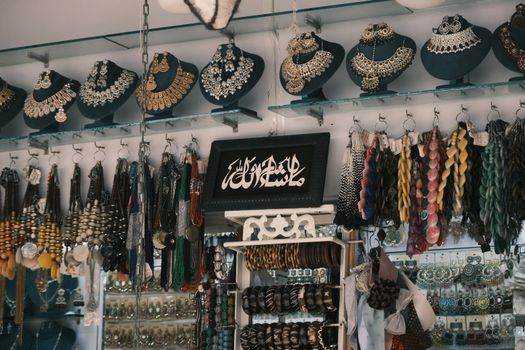 Photo: Aditya Oberai / Pexels
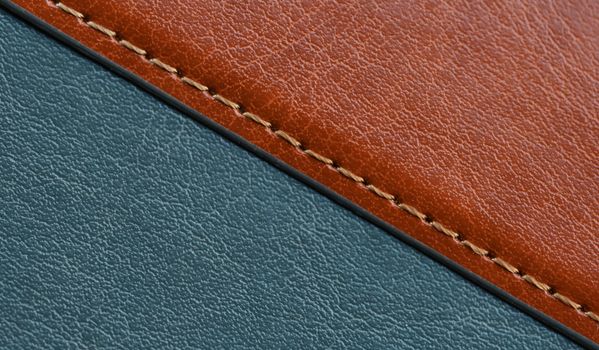 Photo: Alexas Fotos / Pexels
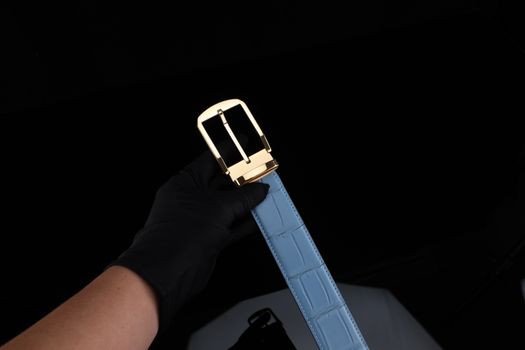 Photo: BELTLEY COM / Pexels
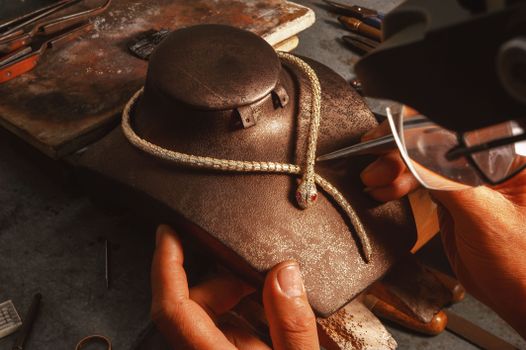 Photo: moha sour / Pexels