How to Spot Fake Luxury Items: Your Ultimate Authenticity Guide
Uncover the secrets of authentic luxury and confidently identify fakes before you make a costly mistake.
Become an Authenticity ExpertKey Takeaways
- ✓ Counterfeit luxury goods are a multi-billion dollar industry.
- ✓ Fakes are becoming increasingly sophisticated, making detection harder.
- ✓ Authenticity often lies in minute details: stitching, hardware, and serial numbers.
- ✓ Buying from authorized retailers or reputable resellers is the safest bet.
How It Works
Before buying, thoroughly research the specific luxury item you're interested in. Understand its unique characteristics, materials, and common authentication markers.
Scrutinize every physical aspect: stitching, hardware, logos, materials, and craftsmanship. Fakes often betray themselves through imperfections in these areas.
Check for authenticity cards, serial numbers, dust bags, and packaging. Ensure these elements match the brand's standards and are free from errors or low quality.
If unsure, seek professional authentication services. These experts have specialized knowledge and tools to definitively determine an item's authenticity.
The Anatomy of Authenticity: What Makes a Luxury Item Real?
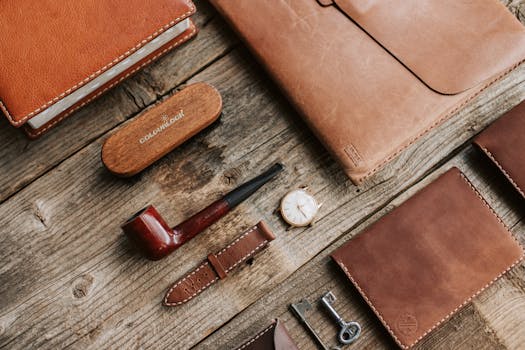 Photo: Vlada Karpovich / Pexels
Deciphering the Details: Stitching, Hardware, and Materials as Clues
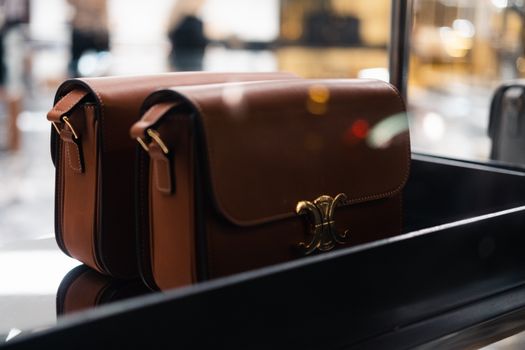 Photo: Mathias Reding / Pexels
Beyond the Physical: Packaging, Documentation, and Seller Scrutiny
 Photo: https://kaboompics.com/ / Pexels
Common Pitfalls and Advanced Tips for Spotting Fakes
 Photo: Shots by Sandhu / Pexels
Comparison
| Feature | Authentic Luxury Item | High-Quality Counterfeit | Low-Quality Counterfeit |
|---|---|---|---|
| Stitching | Even, precise, consistent, no loose threads | Mostly even, minor inconsistencies, some loose threads | Uneven, sloppy, visible loose threads, incorrect patterns |
| Hardware | Heavy, smooth operation, crisp engravings, specific brand markings | Lighter, slightly rough, engravings may be less sharp, generic markings | Lightweight, cheap feel, tarnished, poor functionality, blurry logos |
| Materials | Premium leather/fabric, distinct aroma, natural imperfections, luxurious feel | Synthetic blend, chemical smell, overly uniform, stiff feel | Plastic-like, strong chemical odor, unnatural texture, easily damaged |
| Logo/Branding | Perfectly aligned, correct font, clear, consistent placement | Minor misalignments, slightly off font, some inconsistencies | Obvious misspellings, incorrect font, blurry, misplaced |
| Packaging/Docs | High-quality, correct fonts, embossed details, matching serials | Decent quality, minor font errors, generic cards, serials may be faked | Flimsy, poor print, misspellings, no matching serials or docs |
| Price | Market value, premium pricing, no deep discounts | Significantly lower than retail, often presented as 'deals' | Extremely low, often too good to be true |
What Readers Say
"This guide was a lifesaver! I was about to purchase a Chanel bag from a reseller, and after reading this, I noticed subtle inconsistencies in the stitching and hardware. It saved me thousands from buying a convincing fake."
Sarah J. · New York, NY"As a watch collector, I thought I knew it all, but the section on micro-engravings and specific movement tells for watches was incredibly insightful. It validated some of my suspicions on a recent online listing. Highly recommend for anyone serious about authenticity."
Michael D. · Los Angeles, CA"I used the checklist for packaging and documentation before buying a vintage Louis Vuitton. The seller's inability to provide clear photos of the date code and the slightly off-color dust bag were instant red flags. This article directly helped me avoid a costly mistake."
Emily R. · Dallas, TX"The information on seller scrutiny was particularly helpful. While I still prefer buying from official stores, this guide gave me the confidence to ask tougher questions when considering secondary market purchases. It’s a thorough resource, though some brand-specific examples could be expanded."
David L. · Miami, FL"I'm new to luxury fashion and felt overwhelmed. This guide broke down how to spot fake luxury items into manageable steps. The focus on tactile qualities and the 'feel' of genuine items resonated most with me. It’s truly empowering."
Jessica M. · Chicago, ILFrequently Asked Questions
What is the single most important factor to consider when trying to spot fake luxury items?
While many factors are crucial, the most important is often the *overall craftsmanship and attention to detail*. Fakes almost always cut corners somewhere, whether it's uneven stitching, cheap hardware, or incorrect fonts. An authentic luxury item will exhibit near-perfection in every aspect, reflecting its high price point and brand heritage.
Are 'super fakes' or 'replicas' ever worth buying?
No. Terms like 'super fake' or 'replica' are marketing ploys used by counterfeiters to legitimize their illegal products. Regardless of how convincing they appear, they are still illegal fakes. Purchasing them supports criminal networks, lacks any resale value, and contributes to intellectual property theft. Always aim for genuine articles.
How can I check a serial number or date code for authenticity?
First, research where your specific brand places its serial numbers or date codes and what format they should take. Some brands have internal systems that authorized personnel can check, but public access is rare. You can compare the code to known authentic examples online or consult a professional authentication service, as they often have access to brand databases or extensive reference materials.
Is paying for professional authentication worth the cost?
Absolutely. For significant luxury purchases, especially from the secondary market, the cost of professional authentication (typically $50-$200) is a small fraction of the item's value. It provides peace of mind, protects your investment from being a worthless fake, and can be crucial for dispute resolution if a counterfeit is unknowingly purchased.
How do online marketplaces like eBay or Facebook Marketplace compare to dedicated consignment sites for authenticity?
Dedicated luxury consignment sites (e.g., The RealReal, Fashionphile) often have in-house authentication teams and guarantees, offering a higher level of buyer protection. General marketplaces like eBay or Facebook Marketplace have a higher risk of encountering fakes, as individual sellers may not be vetted. Always prioritize sellers with strong reputations, detailed photos, and clear return policies on these platforms, and consider third-party authentication.
Who benefits most from learning how to spot fake luxury items?
Anyone looking to purchase luxury goods, particularly from the secondary market, benefits immensely. This includes collectors, fashion enthusiasts, investors, and even gift-givers. It protects against financial loss, avoids the embarrassment of owning a fake, and ensures you're supporting legitimate businesses and craftsmanship.
What are the risks of accidentally buying a fake luxury item?
The primary risks include significant financial loss, as fakes have no resale value and are often overpriced. You also contribute to the illegal counterfeit industry, which can be linked to other criminal activities. Furthermore, owning a fake can damage your personal reputation and the perceived value of your collection.
How might AI and technology impact the future of spotting fake luxury items?
AI and advanced technology are already playing a significant role. AI-powered authentication services use algorithms to analyze microscopic images and compare them to vast databases of authentic items, identifying minute discrepancies imperceptible to the human eye. In the future, we can expect more integrated blockchain solutions for product traceability and advanced material analysis to make counterfeiting even more challenging.
Armed with this comprehensive guide on how to spot fake luxury items, you're now equipped to navigate the luxury market with unparalleled confidence. Protect your investments, honor true craftsmanship, and always shop smart. Your journey to becoming a discerning luxury connoisseur starts now.